
Cold War History Declassified
- Thread starter BMD
- Start date
You are using an out of date browser. It may not display this or other websites correctly.
You should upgrade or use an alternative browser.
You should upgrade or use an alternative browser.


Very interesting. You found some very difficult to find documents. Congrats !
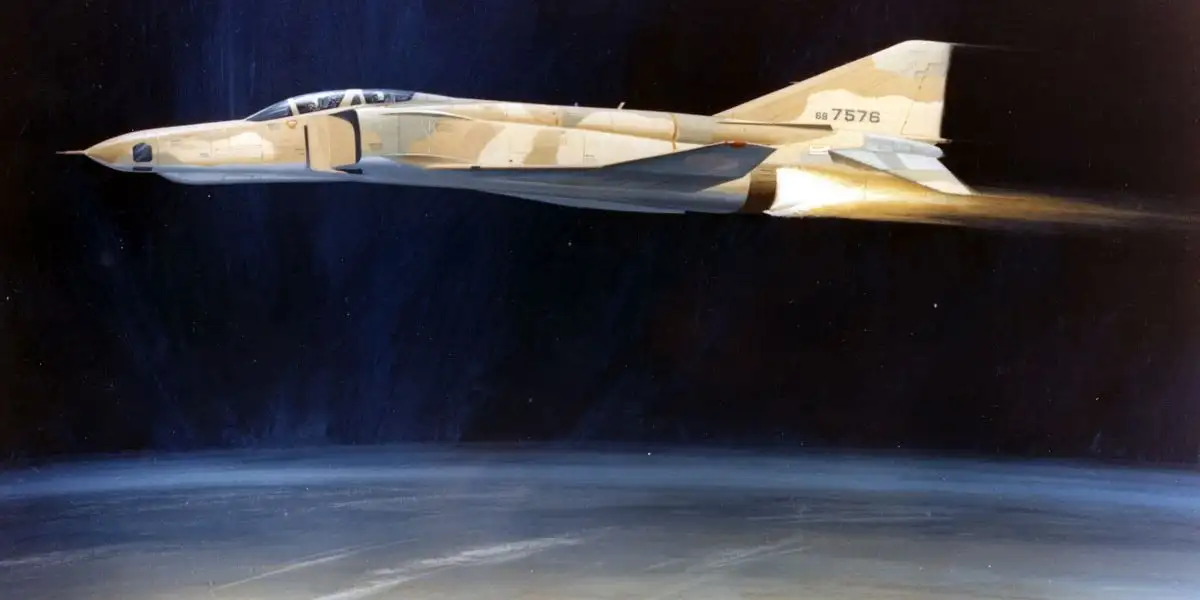
The Odyssey of Israel’s recce Phantoms: from the Mach 3+ F-4X to the electronic warfare F-4E(S)
The Odyssey of Israel’s recce Phantoms: from the Mach 3+ F-4X to the electronic warfare F-4E(S) jet aircraft
 theaviationgeekclub.com


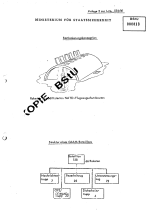
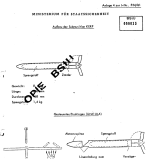
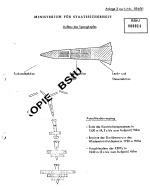
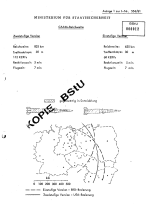
East German Stasi report on Conventional Airfield Attack Missile (CAAM) Pershing II missile derivatives. The conventional version of the standard two-stage Pershing II would have an 825 km range carrying a payload of 112 KERP (Kinetic Energy Runway Penetrator) submunitions. Each KERP would be 8.5 kg, length 660 mm, diameter 68 mm, with 1.6 kg of explosive. A single stage missile (Pershing IIRR) would carry 68 KERPs to 625 km. Both missiles would have a 30 meter CEP and a flight time of 7 minutes. Ejection sequence would start at the end of the radar correlation process at an altitude of 1330 m (4.2 s before impact), where the spinning RV (Start of RV spin motion at 1,720 m altitude) would eject the KERP submunitions at an altitude of 1040 m (3 s before impact). Impact pattern was to be 150 meters in diameter with an average spacing between individual KERPs of 9 meters which was determined as optimal. To extend the "duration of paralysis" 1/3 of the KERPs would be fitted with instantaneous fuzes (exploding after a short one millisecond delay to penetrate into the runway before detonating) and 2/3 with long delay fuzes (activation after 5 to 10 hours). Missiles were to be based in NATO airbases in West Germany, in vertical launch cells placed in modified NATO aircraft shelters.