Norwegian Naval Technology

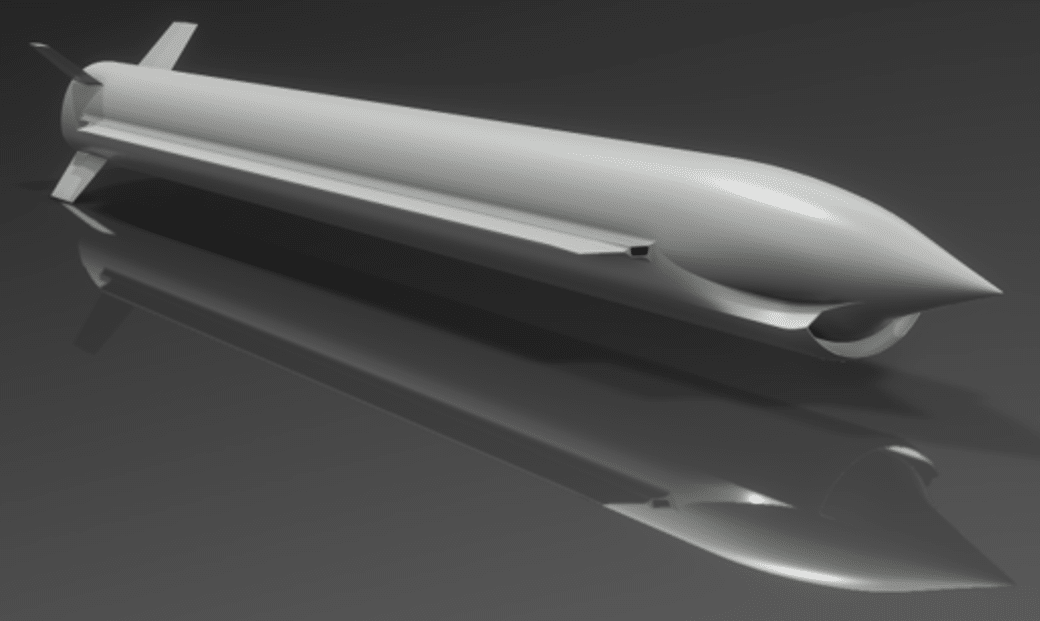
Will they end up creating a lighter BrahMos-NG? It will be interesting to see the overall weight. The reported diameter of NG is 19.2 inches compared to the 10-inch diameter of this missile.

@marich01 @Gautam
 
  • Like
Reactions: marich01
Will they end up creating a lighter BrahMos-NG? It will be interesting to see the overall weight. The reported diameter of NG is 19.2 inches compared to the 10-inch diameter of this missile.

@marich01 @Gautam
NG is a liquid fueled ramjet. This is more like a scaled up SFDR.

Specific impulse of a solid fueled ramjet can at most go up to 1300 sec, DRDO's SFDR can do ~1200 secs. Liquid fueled ramjets can do 1800-2000 secs.

Liquid fueled engines will always outperform solid fueled engines. They are also more complex, difficult to make, expensive & sometime just not worth the pain.

I wonder what the use case of this 10-inch missile is. As an AD missile this would be pretty good. But for a AShM, not that good.
 
  • Like
Reactions: Ashwin and marich01
NG is a liquid fueled ramjet. This is more like a scaled up SFDR.

Specific impulse of a solid fueled ramjet can at most go up to 1300 sec, DRDO's SFDR can do ~1200 secs. Liquid fueled ramjets can do 1800-2000 secs.

Liquid fueled engines will always outperform solid fueled engines. They are also more complex, difficult to make, expensive & sometime just not worth the pain.

I wonder what the use case of this 10-inch missile is. As an AD missile this would be pretty good. But for a AShM, not that good.
The 10 inch missile is a separate missile project. I think it was looked at as an alternative for the US AARGM-ER at one point. Liquid fuel gives better Isp, but solid fuel is more dense and has better volumetric energy density. As regards difficulty to make, it's the other way round. Liquid-fuelled ramjets were around long before VFDRs.


They're not like because the missiles are more bulky, which usually means more weight due to the mass of the larger missile body and the fuel is more troublesome and dangerous, and less reliable, as with liquid fuelled ICBMs/SLBMs.
 
  • Like
Reactions: Ashwin
Liquid fuel gives better Isp, but solid fuel is more dense and has better volumetric energy density.
Yes. Solid fuel also doesn't slosh around causing a change in the centre of mass of the missile during flight. Solid fuels are safer to store, doesn't corrode fuel lines etc. There are many advantages to solid fuel.
As regards difficulty to make, it's the other way round. Liquid-fuelled ramjets were around long before VFDRs.
I was talking about the difficulties in making the latest gen liquid ramjets that can get you performance figures close to their theoretical max. Those are harder to build than their advanced solid fueled ramjet counterparts.
They're not like because the missiles are more bulky, which usually means more weight due to the mass of the larger missile body and the fuel is more troublesome and dangerous, and less reliable, as with liquid fuelled ICBMs/SLBMs.
Yet liquid fueled rockets will provide better payload, range, throttle-ability etc.

This liquid fuel vs solid fuel debate has been done to death. They both have their use cases. For most tactical missile applications solid fuels are preferred. Liquid fueled rocket are mostly used in places where performance figure outweighs most other parameters, like say satellite launchers.
The 10 inch missile is a separate missile project. I think it was looked at as an alternative for the US AARGM-ER at one point.
Oh, an ARM. A ramjet-based ARM. Interesting. Also, 10 inch is similar to the diameter the Rudram-1. I wonder if we intend to build a SFDR based ARM. So far SFDR's stated purpose is just for BVR AAM. It can be used for SAMs, ARMs, AShMs etc.
 
Yes. Solid fuel also doesn't slosh around causing a change in the centre of mass of the missile during flight. Solid fuels are safer to store, doesn't corrode fuel lines etc. There are many advantages to solid fuel.

I was talking about the difficulties in making the latest gen liquid ramjets that can get you performance figures close to their theoretical max. Those are harder to build than their advanced solid fueled ramjet counterparts.
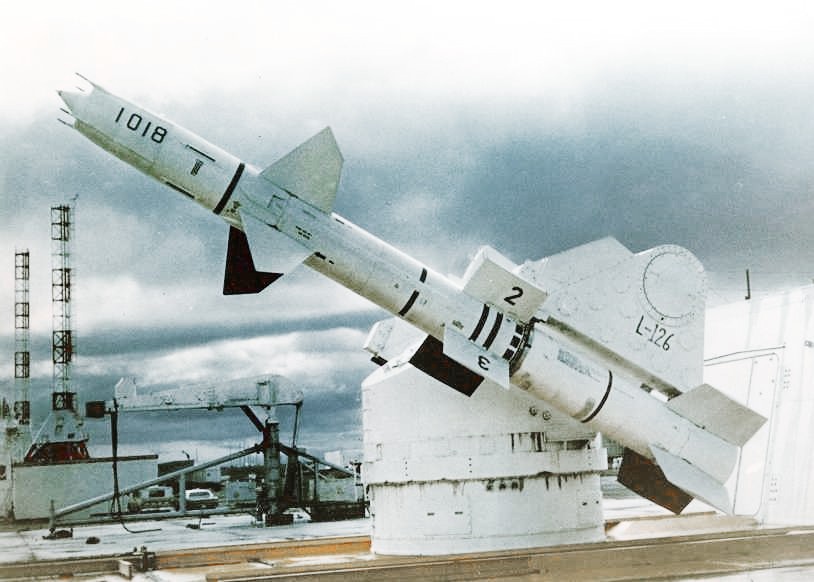
I don't think that's the case TBH. I point to ASALM achieving Mach 5 in the early '80s and even Mach 6 by accident.

Yet liquid fueled rockets will provide better payload, range, throttle-ability etc.
They don't though, certainly not for missiles of AAM and ARM size. The extra bulk leads to a larger missile airframe which means more weight, and it needs to be even thicker still to stop the volatile liquid fuel from exploding. Try build a liquid ramjet AAM the same size and weight as Meteor that has better range.

This liquid fuel vs solid fuel debate has been done to death. They both have their use cases. For most tactical missile applications solid fuels are preferred. Liquid fueled rocket are mostly used in places where performance figure outweighs most other parameters, like say satellite launchers.
Liquid fuel rockets tend to be preferred for space flight because they're more controllable and the large nature of the rocket makes the propellant a much larger proportion of the overall weight, so the size increase isn't as detrimental on weight grounds.

Oh, an ARM. A ramjet-based ARM. Interesting. Also, 10 inch is similar to the diameter the Rudram-1. I wonder if we intend to build a SFDR based ARM. So far SFDR's stated purpose is just for BVR AAM. It can be used for SAMs, ARMs, AShMs etc.
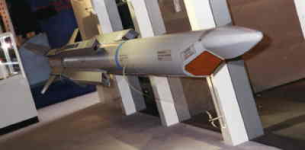
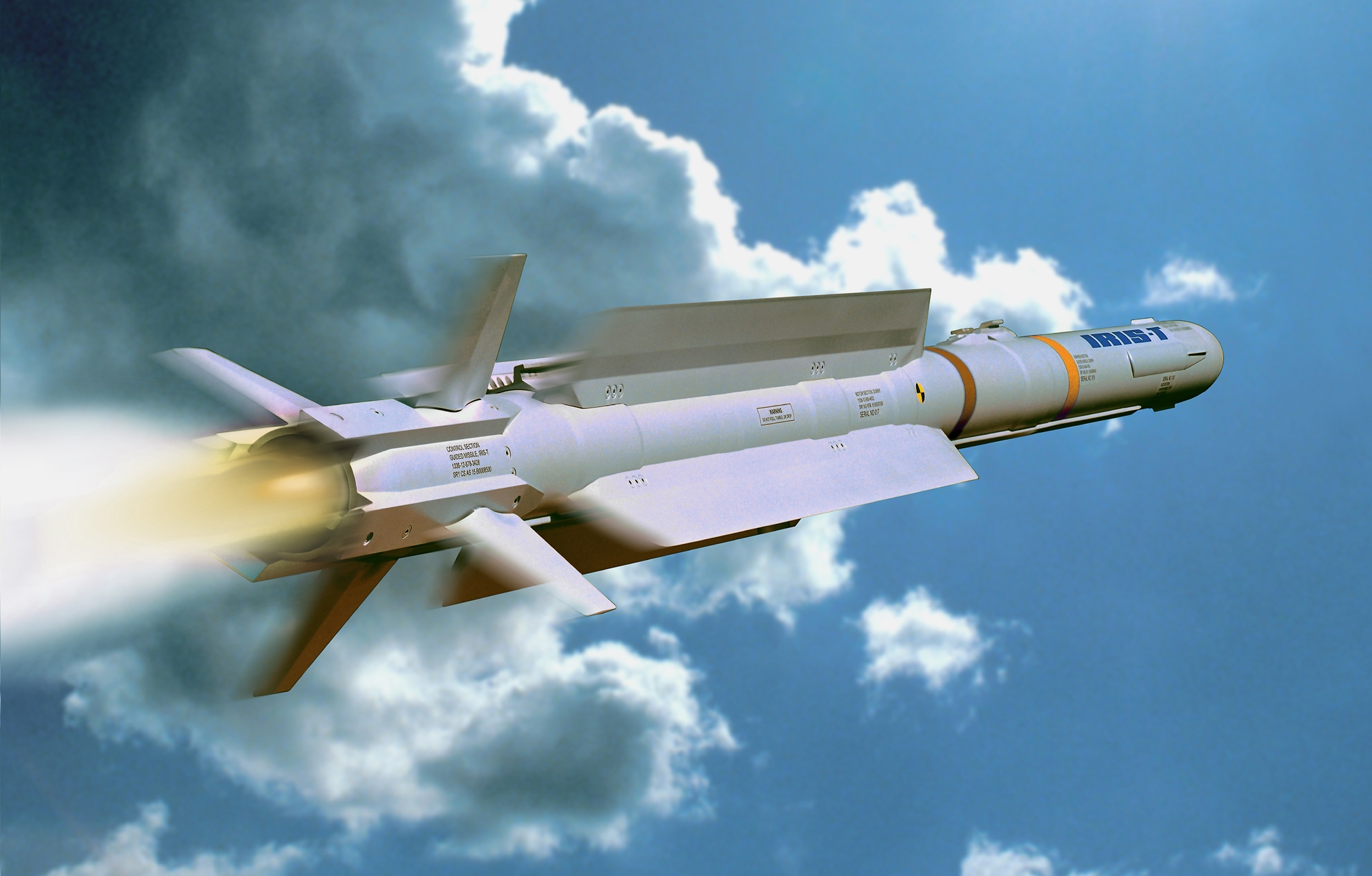
Germany were contemplating one based on Meteor too - ARMIGER. The AShM VFDR missile is likely to be much bigger.

1716040364856.png
1716040409885.png
1716040433365.png
 
  • Like
Reactions: Asterion Moloc
I point to ASALM achieving Mach 5 in the early '80s and even Mach 6 by accident.
These speeds were achieved at which altitude? Wiki says Mach 5.5 at 12 km altitude. So, Mach 6 at what? 15 km?

Brahmos-A weighs twice as much as the ASALM. But it can do Mach 3 at sea- skimming height (<5m) for 500 kms. Are there any comparable American or European ramjet missiles from the 60s to 80s?
The extra bulk leads to a larger missile airframe which means more weight, and it needs to be even thicker still to stop the volatile liquid fuel from exploding.
Why do I feel like your mental image of liquid rocket fuels are greatly informed by hypergolics &/or mono-propellants. There are many other types of liquid fuels that don't exhibit the spontaneous combustion & shock ignition properties of hypergolics.

They have their own problems, of course.
They don't though, certainly not for missiles of AAM and ARM size. The extra bulk leads to a larger missile airframe which means more weight, and it needs to be even thicker still to stop the volatile liquid fuel from exploding. Try build a liquid ramjet AAM the same size and weight as Meteor that has better range.
The point I was making about throttle-ability was for solid rockets in general, Meteor might not be a great example here. Meteor is actually an exception to the rule. It is throttle able.
Try build a liquid ramjet AAM the same size and weight as Meteor that has better range.
If we are lucky, we might actually get that liquid ramjet vs solid ramjet comparison. DRDO's STAR is a Liquid ramjet that might me close to the size of the Meteor. I am not completely sure about the size. But let's see.
Liquid fuel rockets tend to be preferred for space flight because they're more controllable and the large nature of the rocket makes the propellant a much larger proportion of the overall weight, so the size increase isn't as detrimental on weight grounds.
Agreed. But the primary reason is Isp. The rest is fluff.

Take our example. We already make some of the largest solid rockets in the world. If the gap of Isp of solid & liquid fuels weren't that big then we could've just made a larger solid rocket to go from having a medium lifter to a heavy lifter.

To build a fully solid heavy lifter we would need to build a rocket bigger than super heavy lifters.
Germany were contemplating one based on Meteor too - ARMIGER. The AShM VFDR missile is likely to be much bigger.

1716040364856.png

1716040409885.png

1716040433365.png
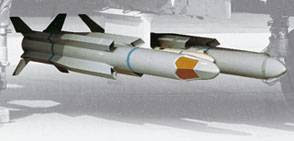
Noice. Good looking too. This will be a good benchmark for us if we go in that direction.
 
  • Like
Reactions: Asterion Moloc
These speeds were achieved at which altitude? Wiki says Mach 5.5 at 12 km altitude. So, Mach 6 at what? 15 km?

Brahmos-A weighs twice as much as the ASALM. But it can do Mach 3 at sea- skimming height (<5m) for 500 kms. Are there any comparable American or European ramjet missiles from the 60s to 80s?
Back about 1980, a technology-demonstrator flight test vehicle called ASALM-PTV accidentally accelerated to Mach 6 at 20,000 feet on its very first flight test. This was due to a fuel control “failure” that was nothing but a stupid assembly error, there was nothing really wrong with the design. It was only designed to cruise at Mach 4, and to power-dive at Mach 5. The other 6 flights were perfect. Its design mission was as a cruise missile effectively invulnerable to defense: subsonic launch, supersonic climb to 80,000 feet (24 km), pullover and accelerate to a Mach 4 cruise, then suddenly dive at Mach 5 onto target.
480km at Mach 4.5.
Why do I feel like your mental image of liquid rocket fuels are greatly informed by hypergolics &/or mono-propellants. There are many other types of liquid fuels that don't exhibit the spontaneous combustion & shock ignition properties of hypergolics.

They have their own problems, of course.
The problem is that the liquid missiles are huge and heavy relative to their range.
The point I was making about throttle-ability was for solid rockets in general, Meteor might not be a great example here. Meteor is actually an exception to the rule. It is throttle able.
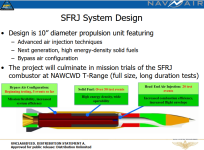
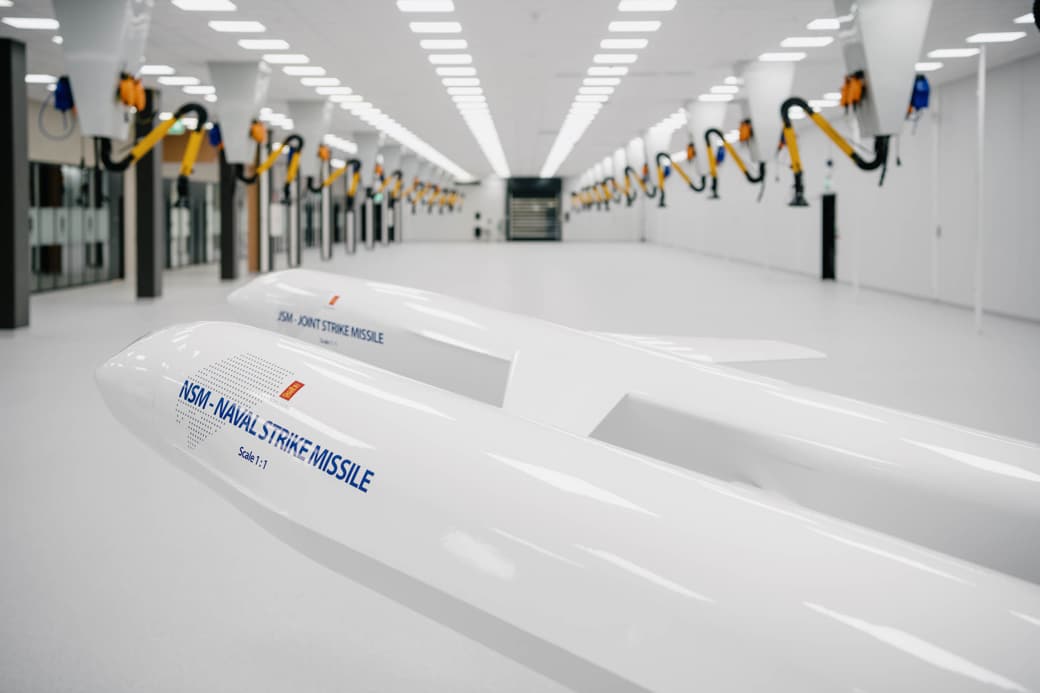
The Norwegian missiles are also VFDR. The solid fuel undergoes incomplete combustion to form a plasma, which is then throttled into the intakes and ignites spontanoeusly.
If we are lucky, we might actually get that liquid ramjet vs solid ramjet comparison. DRDO's STAR is a Liquid ramjet that might me close to the size of the Meteor. I am not completely sure about the size. But let's see.

Agreed. But the primary reason is Isp. The rest is fluff.
The primary reason is that the propellant mass is a greater percentage of the overall rocket's weight. If you take ICBMs, look at the R-36 vs LGM-118A. The latter is much smaller and lighter and carries an equal 10 warheads almost as far.
Take our example. We already make some of the largest solid rockets in the world. If the gap of Isp of solid & liquid fuels weren't that big then we could've just made a larger solid rocket to go from having a medium lifter to a heavy lifter.

To build a fully solid heavy lifter we would need to build a rocket bigger than super heavy lifters.

Noice. Good looking too. This will be a good benchmark for us if we go in that direction.
Comparison up to ICBM size show solid fuels consistently working out lighter overall. Titan II vs Peacekeeper, Satan vs Scalpel, Bulava vs Layner. In the latter case, also relevant is the size/mass of the sub required to house them!
 

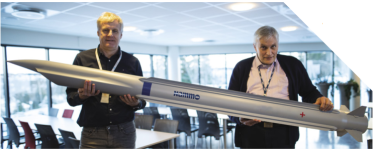
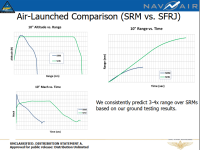
Nammo state that in a conventional rocket motor, oxygen accounts for 80% of the fuel weight whereas ramjet uses 'free' oxygen from the air. The oxidizer can be replaced by solid fuel which as exposed to ambient oxygen in the combustion chamber and burns as it sublimates and substantially increases the missile range
 

Mach 2 and 3 at a range of between 800 and 1,000 km.
 
These speeds were achieved at which altitude? Wiki says Mach 5.5 at 12 km altitude. So, Mach 6 at what? 15 km?

Brahmos-A weighs twice as much as the ASALM. But it can do Mach 3 at sea- skimming height (<5m) for 500 kms. Are there any comparable American or European ramjet missiles from the 60s to 80s?

Why do I feel like your mental image of liquid rocket fuels are greatly informed by hypergolics &/or mono-propellants. There are many other types of liquid fuels that don't exhibit the spontaneous combustion & shock ignition properties of hypergolics.

They have their own problems, of course.

The point I was making about throttle-ability was for solid rockets in general, Meteor might not be a great example here. Meteor is actually an exception to the rule. It is throttle able.

If we are lucky, we might actually get that liquid ramjet vs solid ramjet comparison. DRDO's STAR is a Liquid ramjet that might me close to the size of the Meteor. I am not completely sure about the size. But let's see.

Agreed. But the primary reason is Isp. The rest is fluff.

Take our example. We already make some of the largest solid rockets in the world. If the gap of Isp of solid & liquid fuels weren't that big then we could've just made a larger solid rocket to go from having a medium lifter to a heavy lifter.

To build a fully solid heavy lifter we would need to build a rocket bigger than super heavy lifters.

Noice. Good looking too. This will be a good benchmark for us if we go in that direction.
Not related to ramjets, but interesting fuel for rocket motors using gel based fuel combining advantages of both Solid and Liquid fuels by Bayer-Chemie (part of MBDA) which btw manufactures solid fuel ramjets for meteor.

1732815237350.png
19/04/2010
As secure and easy to handle as solid propulsion, this unique technology from Bayern-Chemie permits modulating thrust to maximize weapon endurance.

Bayern-Chemie, a fully owned (100%) subsidiary of MBDA Deutschland, successfully carried out two gel demonstrator test flights at the German Armed Forces Test Range in Meppen in December 2009. Following several years of intensive R&D, the results of these flights prove that all functions of this gelled propellant propulsion technology have reached the TRL 6 (Technology Readiness Level 6). Essentially, the gel feeding system and the thrust modulation device worked as predicted during the relevant flight phases.

Propulsion systems using gelled propellants combine the advantages of systems using solid propellants (readiness for immediate use, safe and easy handling) with the advantages of systems using liquid propellants (variable thrust). Whilst in the missile fuel tank, the gelled propellant behaves like a solid propellant therefore damage to the missile’s mechanical structure will not result in the propellant leaking. In addition, vapour pressure is very low, hence eliminating the “fireball” risk.

On being injected into the combustor, the propellant looses its gelled structure and transforms into a liquid. Propellant feed is carried out using a solid gas generator or pressurized gas. The benefits of this propulsion technology are the variability of thrust for mission adapted thrust profiles, the very high degree of insensitivity (no reaction at fast and slow cook-off), low smoke and low signature, an environmentally friendly propellant and exhaust gas (green propellant) and easy handling regarding the logistics chain.

Gelled propulsion technology is now ready for use within certain applications. The first candidates will be reusable start boosters as used in drones, cruise missiles and aircraft. The full advantages of gelled propellant propulsion systems will be realised when they are integrated within air-to-ground or surface-to-surface missiles. The development of this technology was funded by the German BWB (the Federal Office of Defence Technology and Procurement) and carried out by Bayern-Chemie in close cooperation with the BWB’s various institutes and departments.

Propulsion systems with gelled propellants​

Another unique product made by Bayern-Chemie is a range of rocket motors which burn gelled propellants.

These combine the advantages of liquid propellant rocket engines – i.e. throttleability, repeated ignition capability and long burn times – with the simple and safe handling characteristics of solid propellant rocket motors.

Rocket motors using gelled propellants offer the space industry enormous advantages and are an excellent alternative to rocket engines employing the dangerous and highly toxic liquid propellant hydrazine.

There are many possible applications for a rocket motor using gelled propellants. Sounding rockets, launchers and landing systems are all conceivable applications.

It might be useful for Andruil Roadrunner reusable turbojet drone

Now coming to ramjets, I feel this will be easier to make as ramjet than SFDR, I may be wrong too.
Can this be used in ramjets also? Can we have Gel Fuel Ramjet (GFRJ) project along with LFRJ and SFDR?