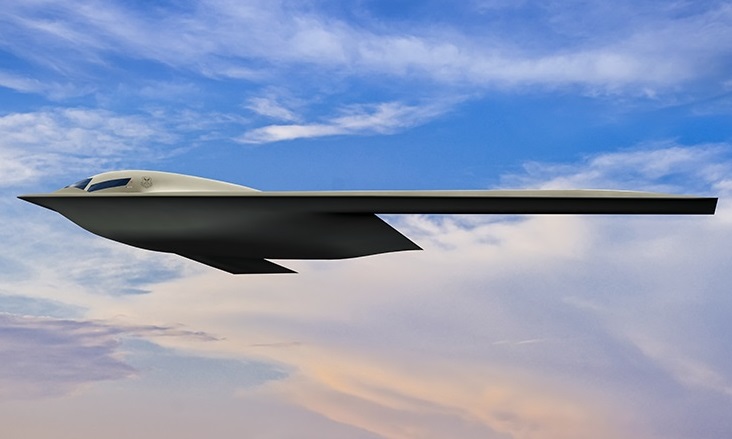

An AUKUS backlash ?
And squeeze in a second Rafale deal in the process.
An AUKUS backlash ?

Speculation at its best in current given scenario...An AUKUS backlash ?


 www.aumanufacturing.com.au

Yes, I always get my information from old Trump corrupt grifters. We are actually getting the nuke reactors from the UK and the transfer agreement has been signed.
Australia, UK and US sign nuclear tech sharing agreement
Australia, the United Kingdom and the United States today signed an Exchange of Naval Nuclear Propulsion Information Agreement, a key step in advancing
Nuke bomb test is another story. You may recall France wasn't welcomed with their test eitherN tests in Pokhran
Nuke bomb test is another story. You may recall France wasn't welcomed with their test either

Australia is a signatory to the NPT too.Nuke bomb test is another story. You may recall France wasn't welcomed with their test either
Nuke weapons is a non-issue with Indonesia they signed the NPT
SSNs can launch nuke weapons
SSNs can't launch ballistic missiles.
What kind of N weapons?What is your problem? Your goal posts are on wheels. I said nuclear weapons. Google is your friend
 www.news.com.au
I thought we were discussing Australia & Indonesia - both signatories to the NPT here. BTW - Israel has 6-8 conventionally powered Submarines with N armed CMs since at least 2 decades if not more. NK is actively pursuing such a program too. Pakistan also claims such a capability. All the latter 3 aren't part of the NPT.
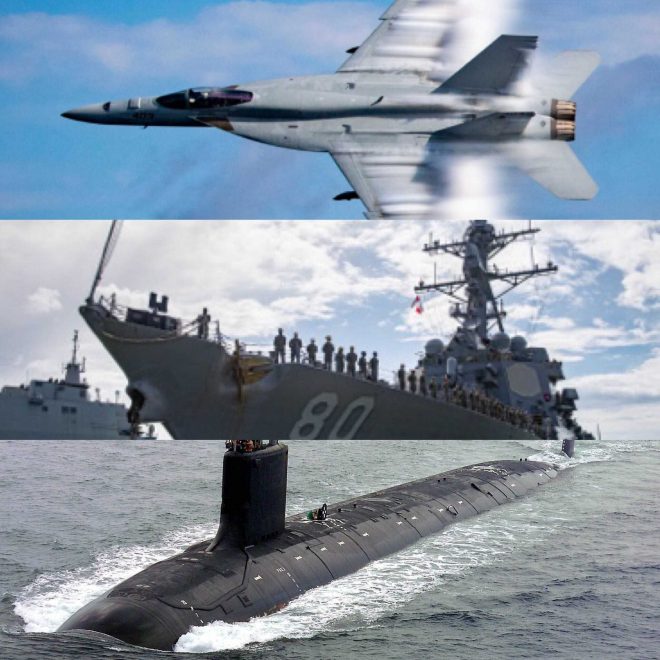
US navy’s scary nuclear weapon
ONCE a conventionally armed attack submarine, the US navy’s Virginia-class underwater vessels will now be capable of firing nuclear-armed cruise missiles.
 news.usni.org
Australia is set to receive its first nuclear submarine at least five years ahead of schedule after America agreed to fast-track the project. Defence Minister Peter Dutton has revealed he expects the first vessel to be completed in the early 2030s – well ahead of the 2040 estimate.
Australia's nuclear submarines ahead of schedule