ooops i'm late (dated may)
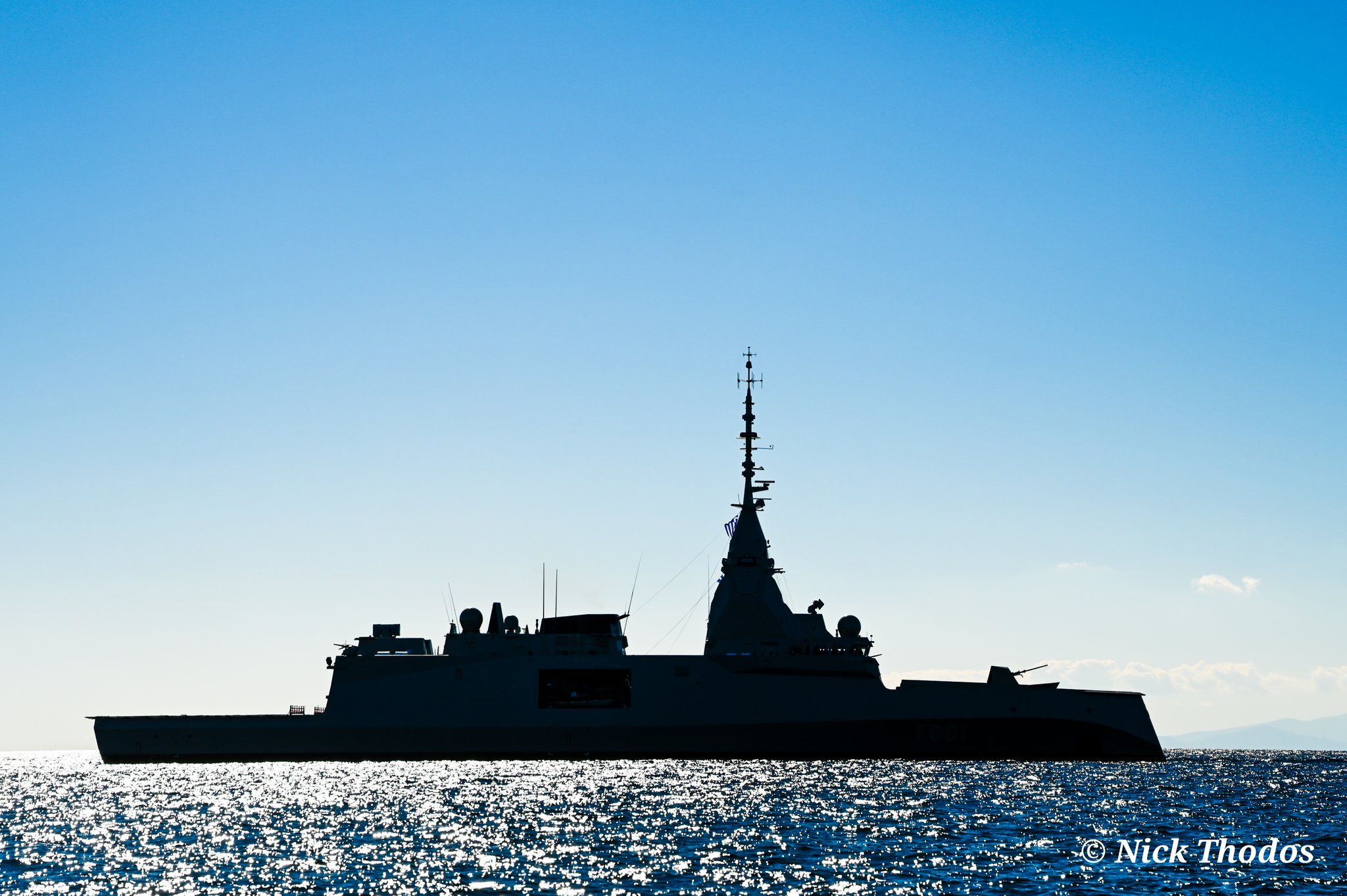
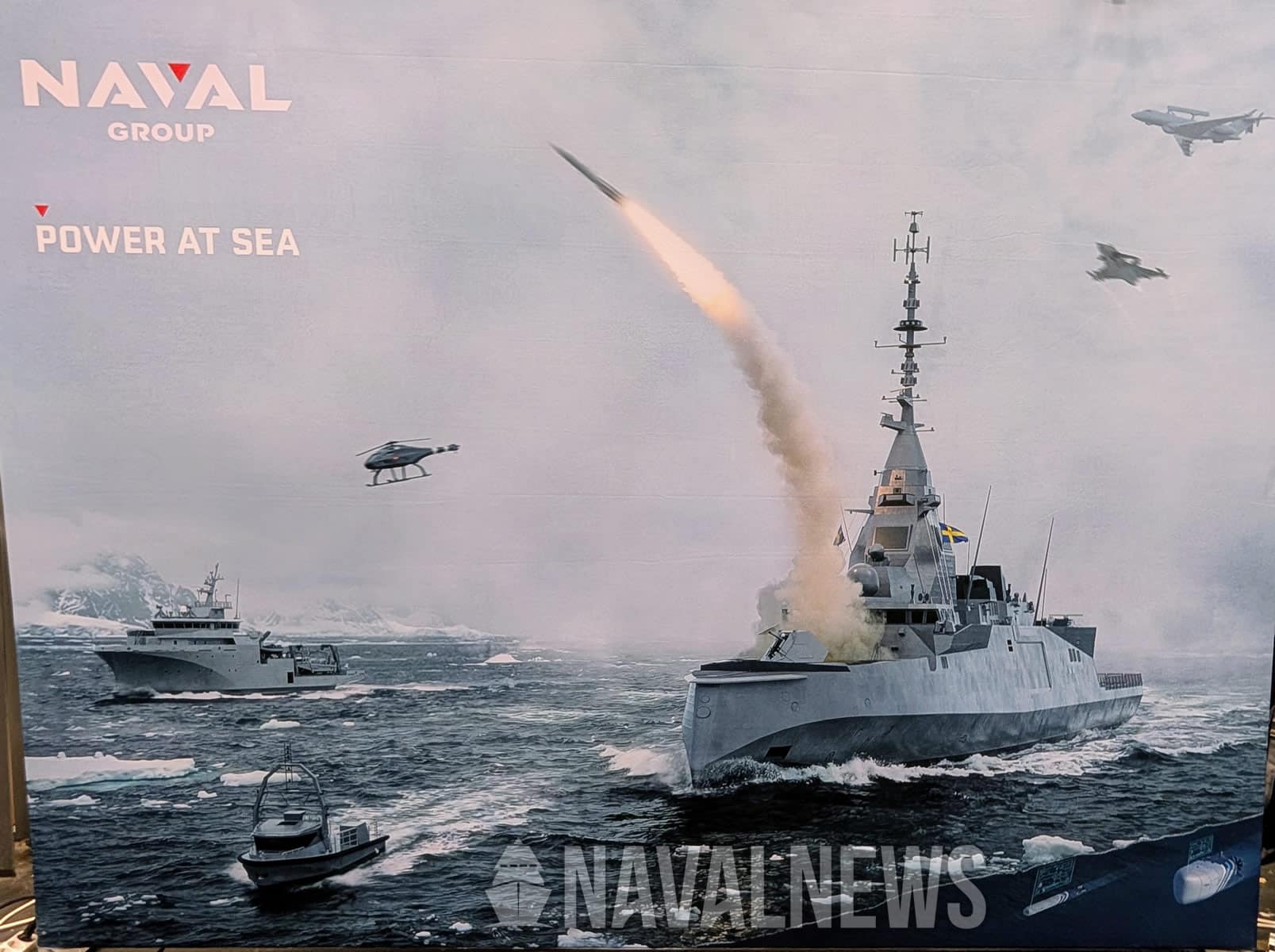
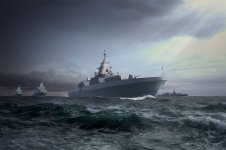
The Swedish Luleå-class frigate-programme has taken a significant step forward with today’s announcement from the deck of the Visby-class corvette Härnösand that the FDI-frigate will become Sweden’s next surface warfare.

www.navalnews.com
The Swedish Luleå-class frigate-programme has taken a significant step forward with today’s announcement from the deck of the Visby-class corvette Härnösand that the FDI-frigate will become Sweden’s next surface warfare.
In a move described by the Prime Minister Kristersson as “tripling the Swedish [ground- and surface-based] air defences”, the frigate was chosen over Spanish and British competition. The choice was largely based on the three factors of speed of delivery (as the class is currently being built at the Naval Group yard in Lorient and will see deliveries of four vessels starting in 2030 with one vessel delivered every year), the maturity of the design and the integrated combat systems employed by it, and the ability to share costs with other operators.
The programme for four new ships originally started out with Saab back in 2021 getting a contract for preliminary design work for what then was described as four air defence corvettes based on the current Visby-class, but enlarged and improved to a design known as Visby Generation Two. Since then, the Swedish security landscape has changed significantly, with the Russian full-scale invasion of Ukraine in 2022 leading to the country joining NATO.
As such, in 2023 UK shipbuilder Babcock was brought onboard to aid with the design of what had then grown to a larger vessel. The programme changed shape yet again last year, when Naval News was able to report that Sweden was evaluating an
“alternative procedure for the procurement of new surface combatants to the Swedish Armed Force”. As the process continued it became clear that the design had settled on a roughly 120 m long frigate-sized vessel, and the procurement of a foreign design was the favoured path. In the end three serious contenders emerged, the Babcock Arrowhead 120 drawing upon the yard’s experience with the larger AH 140/Type 31, Naval Group’s FDI, and Navantia’s ALFA 4000. Of the three designs, the FDI was the only existing one, with the AH 120 as mentioned owning much of its design to a scaled-down AH 140, while the ALFA 4000 was largely a clean-sheet design for the export market, having
been offered also to Australia.
The schedule for the Luleå-class has been extremely ambitious throughout the programme, something not helped by the time allocated to the most recent course-change. As noted, this also turned out to be one of the reasons behind the eventual choice that favoured Naval Group, although both other suppliers stated that they were able to meet that target. At the same time, Sweden has traditionally been rightfully proud of their domestic naval systems, including the Saab 9LV family of combat management systems as well as sensors and weapons. This is seen in the integration of Swedish weapons and systems onto the Swedish FDI-vessels, such as the RBS 15 anti-ship missile, Torped 47 ASW-torpedo, Giraffe 1X radar, Trackfire remote weapon stations, and BAE Systems Bofors 57 mm and 40 mm deck guns. By the sound of it, it does however look like the vessels will retain the tried and tested French SETIS combat management system. For the air defence role, Minister of Defence Pål Jonsson confirmed the vessels will come equipped with both the Aster 30, with the ability to shoot down ballistic missiles, and the CAMM-ER, in accordance with the setup of the French vessels. In particular Aster 30 will be a significant jump in capability for the Swedish Navy that hasn’t operated an air defence missile since the retirement of the Seacat in the early 1980’s.
/END
______________
For now, the number of FDIs ordered stands at 5 (France) + 4 (Greece) + 4 (Sweden).
That's not bad...


 www.defensenews.com