
You are using an out of date browser. It may not display this or other websites correctly.
You should upgrade or use an alternative browser.
You should upgrade or use an alternative browser.


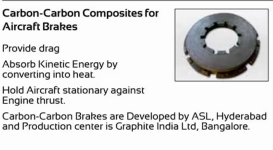
Since I was a bit confused by this, note that this the 3rd HIP as mentioned in a subsequent tweet. LCA Mk1 already used Carbon-Carbon brake discs locally manufactured by Graphite India Ltd:

March 17, 2026: Navratna Defence Public Sector Undertaking Bharat Electronics Limited (BEL) has secured additional orders worth Rs.1011 Crore since the last disclosure on 25th February 2026. Major orders received include communication equipment, radar warning and jamming system, fire control system, electro optic sight, fire detection & warning system for fighter aircraft, high energy laser, automatic train supervision system, head-up display, software solutions, jammers, shelters, strategic components, upgrades, spares, services, etc
I thought Military already had a few in pipeline of their own

This is an article from October 2025I thought Military already had a few in pipeline of their own
Common sense says, if GOI is providing subsidized/free GPUs to companies developing LLM and AI applications..This is an article from October 2025
It would've already set aside a set for non-civilian purposes. i.e. For DRDO and it's labs, All three armed forces' concerned departments etc..

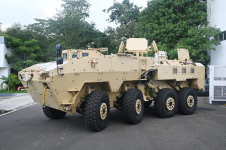
WhAP based C-UAS should receive a push from the MoD as well as the IA. There are certain systems that have a domestic base and could do with more GoI support. Instead of running around in panic these should receive a...dare I say "EP" like push.

Wasn't DRDO showcasing something related to AI during the summit?Common sense says, if GOI is providing subsidized/free GPUs to companies developing LLM and AI applications..
It would've already set aside a set for non-civilian purposes. i.e. For DRDO and it's labs, All three armed forces' concerned departments etc..
National Defence Industries Conclave (NDIC) is ongoing.
Live streaming here: Department of Defence Production
Live streaming here: Department of Defence Production
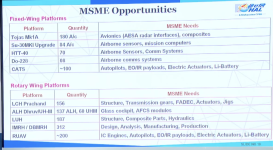
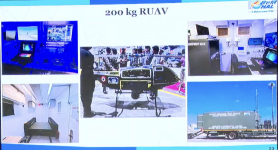

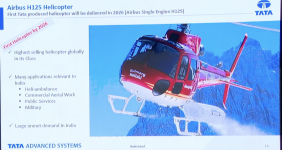
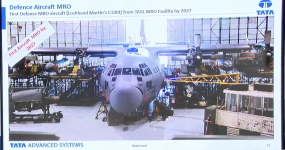
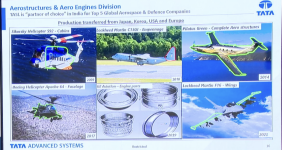
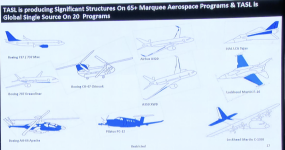
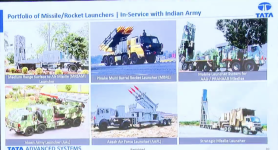
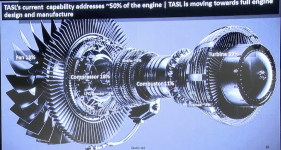
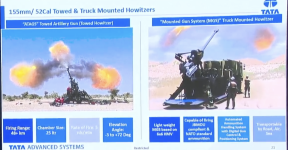
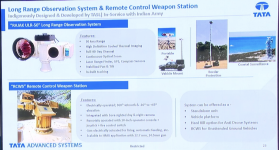
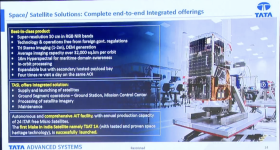
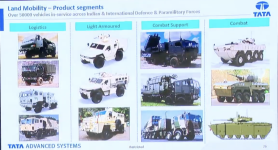
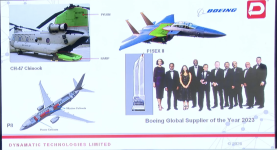
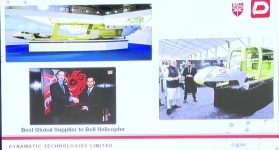
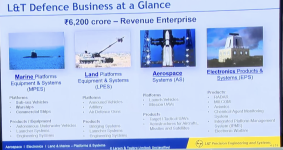
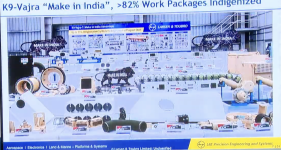
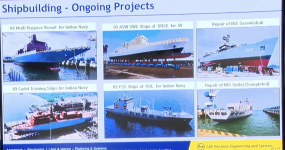
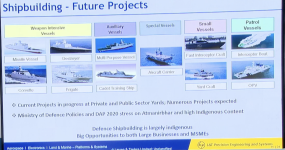
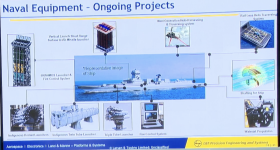
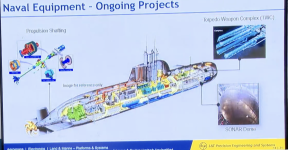

Major projects being executed by New DPSUs for Armed forces
From the SIDM website. Link: INDIA-UK DEFENCE INDUSTRIAL ROADMAP.pdf
By 2035, India and the United Kingdom will be mutual beneficiaries of extensive defence capability collaboration, based on co-design, co-development and co- production. Mutual supply chain integration will ensure industrial resilience whilst both countries will seek to export together to third countries in the pursuit of economic growth.
The UK shall actively promote the integration of Indian defence industry into global supply chains of UK defence companies, and vice-versa as feasible. This may be done through identifying challenges in global manufacturing capacity and forming Joint Ventures with Indian firms offering solutions and manufacturing capacities.
Promote industrial cooperation by effective fleet and platform support, including supply of potential spares and, where possible, the Technology Transfer required to address Obsolescence Management challenges for Jaguar and Hawk aircraft fleets. India and the UK will encourage the development of India as manufacturing, logistic, repair and maintenance hub for aircraft, ships and submarines and exploring the interest of other regional partners in benefiting from these capabilities.
India and UK will explore opportunities under priority areas for collaboration under the India-UK Defence Technology and Industrial Capability Cooperation (DTICC) and Technology Security Initiative (TSI). Export of co-developed and co-manufactured defence capability to third country would be a natural progression of capacity collaboration.
Initial areas to be considered for co-development and co-production projects include:
i) Air and Space technologies including Aeroengines
ii) Maritime technologies including Electric and Hybrid Propulsion
iii) Underwater Weapons and Sensors, including Underwater Domain Awareness (UDA)
iv) Complex weapons, Missiles and Sensors
v) Directed Energy Weapons
vi) Artificial Intelligence (A1) including Autonomous Platforms
vii) Cyber Defence
viii)Battery Technologies
ix) Navigation Sensors
x) Modern Munitions, Ammunition and Ordnance
xi) Niche and Emerging Technologies including Advanced Materials, Additive Manufacturing, Data Link Systems, Electronic Warfare and Nano-satellites
Target co-development of new defence technologies between industry and Defence Research and Development Organisation (DRDO). Facilitate a regular review of Indian and UK requirements suitable for industrial input during the S&T Steering Committee. Initial 'Collaborative Projects' can include:
i) Additive Manufacturing
ii) Battery Technologies
iii) Bio Chem Sensors and Explosive Detection
iv) UAV Engines and Payloads
v) Underwater sensing including acoustic environmental analysis
ROADMAP FOR INDIA-UK DEFENCE INDUSTRIAL COOPERATION
Introduction
By 2035, India and the United Kingdom will be mutual beneficiaries of extensive defence capability collaboration, based on co-design, co-development and co- production. Mutual supply chain integration will ensure industrial resilience whilst both countries will seek to export together to third countries in the pursuit of economic growth.Roadmap Objective
The UK shall actively promote the integration of Indian defence industry into global supply chains of UK defence companies, and vice-versa as feasible. This may be done through identifying challenges in global manufacturing capacity and forming Joint Ventures with Indian firms offering solutions and manufacturing capacities.Promote industrial cooperation by effective fleet and platform support, including supply of potential spares and, where possible, the Technology Transfer required to address Obsolescence Management challenges for Jaguar and Hawk aircraft fleets. India and the UK will encourage the development of India as manufacturing, logistic, repair and maintenance hub for aircraft, ships and submarines and exploring the interest of other regional partners in benefiting from these capabilities.
Capability Collaboration
India and UK will explore opportunities under priority areas for collaboration under the India-UK Defence Technology and Industrial Capability Cooperation (DTICC) and Technology Security Initiative (TSI). Export of co-developed and co-manufactured defence capability to third country would be a natural progression of capacity collaboration.Initial areas to be considered for co-development and co-production projects include:
i) Air and Space technologies including Aeroengines
ii) Maritime technologies including Electric and Hybrid Propulsion
iii) Underwater Weapons and Sensors, including Underwater Domain Awareness (UDA)
iv) Complex weapons, Missiles and Sensors
v) Directed Energy Weapons
vi) Artificial Intelligence (A1) including Autonomous Platforms
vii) Cyber Defence
viii)Battery Technologies
ix) Navigation Sensors
x) Modern Munitions, Ammunition and Ordnance
xi) Niche and Emerging Technologies including Advanced Materials, Additive Manufacturing, Data Link Systems, Electronic Warfare and Nano-satellites
Innovative R&D Cooperation
Target co-development of new defence technologies between industry and Defence Research and Development Organisation (DRDO). Facilitate a regular review of Indian and UK requirements suitable for industrial input during the S&T Steering Committee. Initial 'Collaborative Projects' can include:i) Additive Manufacturing
ii) Battery Technologies
iii) Bio Chem Sensors and Explosive Detection
iv) UAV Engines and Payloads
v) Underwater sensing including acoustic environmental analysis