

Indo - Seychelles, Mauritius and Maldives Relations
- Thread starter Gautam
- Start date
You are using an out of date browser. It may not display this or other websites correctly.
You should upgrade or use an alternative browser.
You should upgrade or use an alternative browser.


Greater Malé Connectivity Project to be mobilized at the beginning of 2021
The Minister of Economic Development, Fayyaz Ismail has revealed that the Greater Malé Connectivity Project will be mobilized within the beginning of 2021.
The government earlier revealed that work is currently underway to kickstart the project to link Malé, Hulhumalé, Villimalé, Thilafushi and Gulhifalhu with bridges and causeways, with the survey for the project proceeding full steam ahead.
Speaking on RaajjeTV’s Fala Surukhee programme, the minister noted that the project is one of the major projects initiated by the incumbent administration, and that the project is expected to bring a major boost for the country’s economic growth.
He expressed hope that the project would be mobilized during January or February or 2021.
Highlighting that the incumbent administration prioritizes to conduct national development project in the best manner possible, Fayyaz revealed that the government aims to follow the best procedures rather than completing the projects as soon as possible.
Earlier, authorities revealed that the estimated value of the project is around MVR 448 million.
Under the Line of Credit issued by the Indian government, the neighboring nation has facilitated a financial package of USD 500 million for the Greater Malé Connectivity Project out of which USD 400 million is under the Line of Credit and the remaining is free aid.
The connectivity project will see the construction of bridges and causeways to link Malé, Villingili, Thilafushi and Gulhifalhu, measuring a total length of 6.695 kilometers.
This project will be the single largest infrastructure project in the Maldives, upon completion.
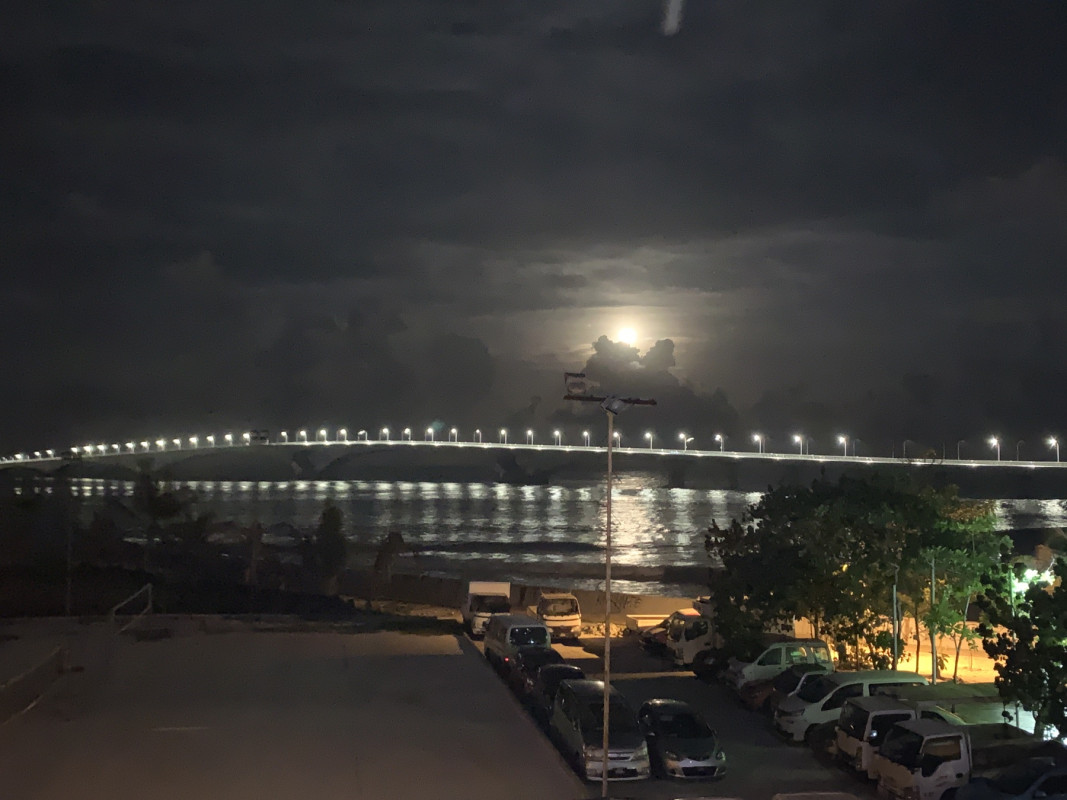
Greater Malé Connectivity Project to be mobilized at the beginning of 2021
Greater Malé Connectivity Project to be mobilized at the beginning of 2021
raajje.mv

Very bad operational practice by IAF in that rescue from a ship. You never approach a ship with rescue belt lowered as it can entagle with the ships structure. This kind of practice is fine on shore but not at sea. You will never see IN pilots do it. They will come and hover over the guy and than lower the rescue belt.

India must treat the oil spill near Mauritius as SoS. Lockdown has left seafarers exhausted
The Indian Ocean island nation of Mauritius is facing one of its most serious crises in its modern history. On 21 July, around a week into its voyage from Singapore to the Brazilian port of Tubarao, the MV Wakashio, a 300-metre long bulk carrier, owned and operated by Japanese companies, deviated from its course and headed towards Mauritius instead of the regular shipping lanes several nautical miles south of it. A few days later, it struck a reef just over a kilometre from the shore, ran aground, spilled around a 1,000 tons of oil into the sea, before splitting into two. A major portion of the front part of the massive ship (or the “bow”) has been towed some distance to the south where it has been allowed to sink. The remaining parts lie on the reef, as weather and sea conditions do not permit its disposal. The ship’s 20-member crew has been arrested by the Mauritius authorities, and its captain, Sunil Kumar Nandeshwar, an Indian national, has been charged with endangering safe navigation.
Even without accounting for the Covid-19 pandemic, Mauritius is under-equipped to deal with environmental and economic disasters the marine accident has brought upon the nation. Over the past month, French and Indian marine disaster management personnel have joined their local counterparts in containing the damage, and Japanese and other international experts are to follow in the coming days.
We should hope that Mauritius recovers from this quickly and with less damage that is currently feared. There are two distinct angles concerning India that I want to focus on.
India’s response
The first is how India was among the first countries to respond to Mauritius’s call for help.
On 16 August, an Indian Air Force C-17 Globemaster aircraft delivered 30 tons of equipment and material for use in oil spill containment and salvage operations. A ten-member team from the Indian Coast Guard has been deployed for the purpose. The promptness with which India was able to dispatch useful assistance to a crucial point along the sea lines of communications in the Indian Ocean would not go unnoticed in the emerging geopolitics of the region.
Seafarers are frontline workers too
The second angle concerns the challenging circumstances that the world’s seafarers — large numbers of who are Indian nationals — have been facing during the coronavirus pandemic. The public discourse has largely missed the fact that seafarers are frontline workers who have kept the wheels of global commerce moving through lockdowns and quarantine. Due to the global dislocations since February and the halting of international flights, seafarers have found themselves either stranded in foreign ports or having to extend their time on board beyond the usual few months.
Malini Shankar, vice-chancellor of the Indian Maritime University told me that Vande Bharat flights and unprecedented coordination between the shipping, ports, external affairs, home and civil aviation ministries relieved some of the distress. Over 40,000 seafarers could get back home to India. But there are other problems. Those stranded in India fear losing their NRI status and face heavier tax obligations when their incomes are down. Those still in foreign ports have to deal with the vagaries of quarantine, visa and crew change regulations. Having to operate under prolonged traumatic conditions is taking a toll on their physical, mental and financial well-being.
Could have been far worse
It could have been far worse. Had the ship not been empty, its cargo might have emptied into the waters. Had the salvage operators been less successful, the spillage would have been much larger. In the event, over 3,300 tons — around three quarters of the oil it had on board — has been transferred out, including by an Indian Oil Mauritius barge. Had the accident and currents been a little different, the ecologically sensitive Blue Bay Marine Park would have been directly affected. As far as oil spills go, this was not a big one. As marine scientist Christopher Reddy, an expert on oil spills, points out, fears of a drastic ecological and economic disaster might be overblown. “In fact,” he writes, “assuming that the worst will happen can often make a bad situation worse. And in disasters like these, among the least resilient species in the ecosystem are humans—because unlike clams or tuna, they suffer very real impacts simply by feeling hopeless.”
While we do not know why the MV Wakashio sailed so close to the Mauritius shore, early rumours in the media suggested that it was because the crew wanted to catch the Wi-Fi or cellular signal from the island, and that a birthday party on board distracted the officers who ignored calls by Mauritius port officials warning them of the danger. We have to wait for the investigation to establish the cause of the accident. Given the stressful circumstances in which seafarers are operating, the enquiry must examine whether the crew was affected by lengthier stints at sea and to what extent this affected their mental state and professional behaviour. In any event, the International Maritime Organization and the world’s governments must urgently facilitate the movement of seafarers to reduce the risk of accidents at sea.
 theprint.in
The Indian Ocean island nation of Mauritius is facing one of its most serious crises in its modern history. On 21 July, around a week into its voyage from Singapore to the Brazilian port of Tubarao, the MV Wakashio, a 300-metre long bulk carrier, owned and operated by Japanese companies, deviated from its course and headed towards Mauritius instead of the regular shipping lanes several nautical miles south of it. A few days later, it struck a reef just over a kilometre from the shore, ran aground, spilled around a 1,000 tons of oil into the sea, before splitting into two. A major portion of the front part of the massive ship (or the “bow”) has been towed some distance to the south where it has been allowed to sink. The remaining parts lie on the reef, as weather and sea conditions do not permit its disposal. The ship’s 20-member crew has been arrested by the Mauritius authorities, and its captain, Sunil Kumar Nandeshwar, an Indian national, has been charged with endangering safe navigation.
Even without accounting for the Covid-19 pandemic, Mauritius is under-equipped to deal with environmental and economic disasters the marine accident has brought upon the nation. Over the past month, French and Indian marine disaster management personnel have joined their local counterparts in containing the damage, and Japanese and other international experts are to follow in the coming days.
We should hope that Mauritius recovers from this quickly and with less damage that is currently feared. There are two distinct angles concerning India that I want to focus on.
India’s response
The first is how India was among the first countries to respond to Mauritius’s call for help.
On 16 August, an Indian Air Force C-17 Globemaster aircraft delivered 30 tons of equipment and material for use in oil spill containment and salvage operations. A ten-member team from the Indian Coast Guard has been deployed for the purpose. The promptness with which India was able to dispatch useful assistance to a crucial point along the sea lines of communications in the Indian Ocean would not go unnoticed in the emerging geopolitics of the region.
Seafarers are frontline workers too
The second angle concerns the challenging circumstances that the world’s seafarers — large numbers of who are Indian nationals — have been facing during the coronavirus pandemic. The public discourse has largely missed the fact that seafarers are frontline workers who have kept the wheels of global commerce moving through lockdowns and quarantine. Due to the global dislocations since February and the halting of international flights, seafarers have found themselves either stranded in foreign ports or having to extend their time on board beyond the usual few months.
Malini Shankar, vice-chancellor of the Indian Maritime University told me that Vande Bharat flights and unprecedented coordination between the shipping, ports, external affairs, home and civil aviation ministries relieved some of the distress. Over 40,000 seafarers could get back home to India. But there are other problems. Those stranded in India fear losing their NRI status and face heavier tax obligations when their incomes are down. Those still in foreign ports have to deal with the vagaries of quarantine, visa and crew change regulations. Having to operate under prolonged traumatic conditions is taking a toll on their physical, mental and financial well-being.
Could have been far worse
It could have been far worse. Had the ship not been empty, its cargo might have emptied into the waters. Had the salvage operators been less successful, the spillage would have been much larger. In the event, over 3,300 tons — around three quarters of the oil it had on board — has been transferred out, including by an Indian Oil Mauritius barge. Had the accident and currents been a little different, the ecologically sensitive Blue Bay Marine Park would have been directly affected. As far as oil spills go, this was not a big one. As marine scientist Christopher Reddy, an expert on oil spills, points out, fears of a drastic ecological and economic disaster might be overblown. “In fact,” he writes, “assuming that the worst will happen can often make a bad situation worse. And in disasters like these, among the least resilient species in the ecosystem are humans—because unlike clams or tuna, they suffer very real impacts simply by feeling hopeless.”
While we do not know why the MV Wakashio sailed so close to the Mauritius shore, early rumours in the media suggested that it was because the crew wanted to catch the Wi-Fi or cellular signal from the island, and that a birthday party on board distracted the officers who ignored calls by Mauritius port officials warning them of the danger. We have to wait for the investigation to establish the cause of the accident. Given the stressful circumstances in which seafarers are operating, the enquiry must examine whether the crew was affected by lengthier stints at sea and to what extent this affected their mental state and professional behaviour. In any event, the International Maritime Organization and the world’s governments must urgently facilitate the movement of seafarers to reduce the risk of accidents at sea.
India must treat the oil spill near Mauritius as SoS. Lockdown has left seafarers exhausted
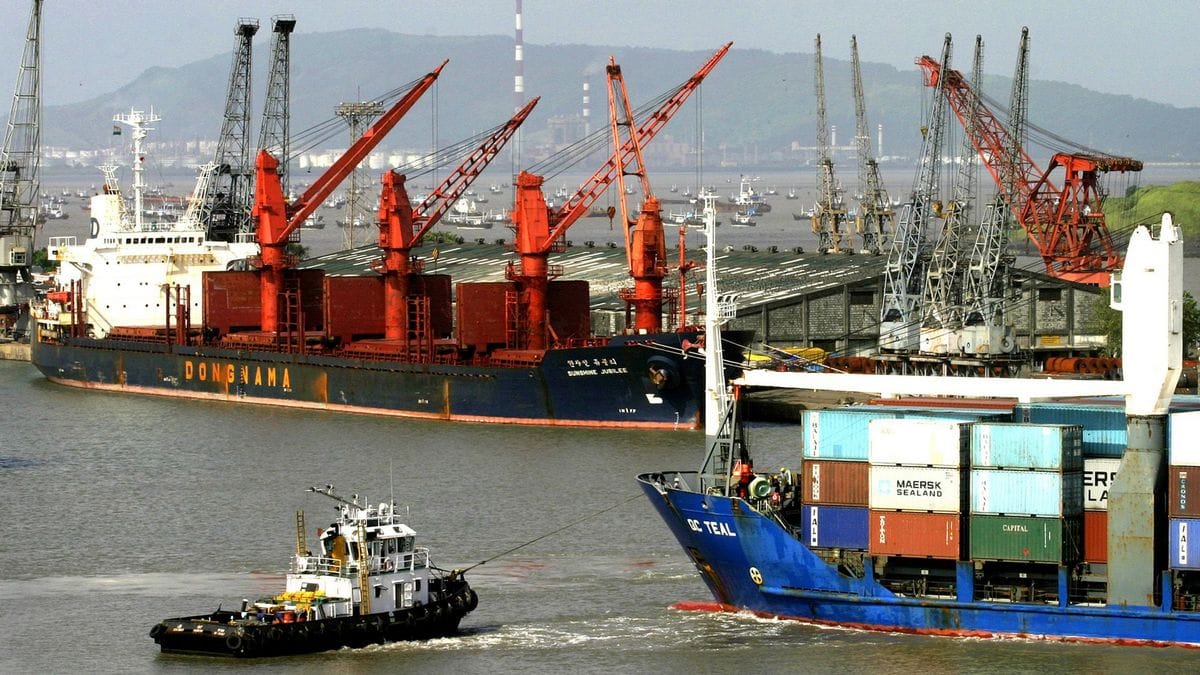
Given the stressful circumstances in which seafarers are operating, the enquiry must examine whether the MV Wakashio crew was affected by lengthier stints at sea.
theprint.in