

South Korean Navy
- Thread starter BMD
- Start date
You are using an out of date browser. It may not display this or other websites correctly.
You should upgrade or use an alternative browser.
You should upgrade or use an alternative browser.
An interesting CIWS that is being developed by SK. The project has a stated delivery of 2027.
 www.navalnews.com
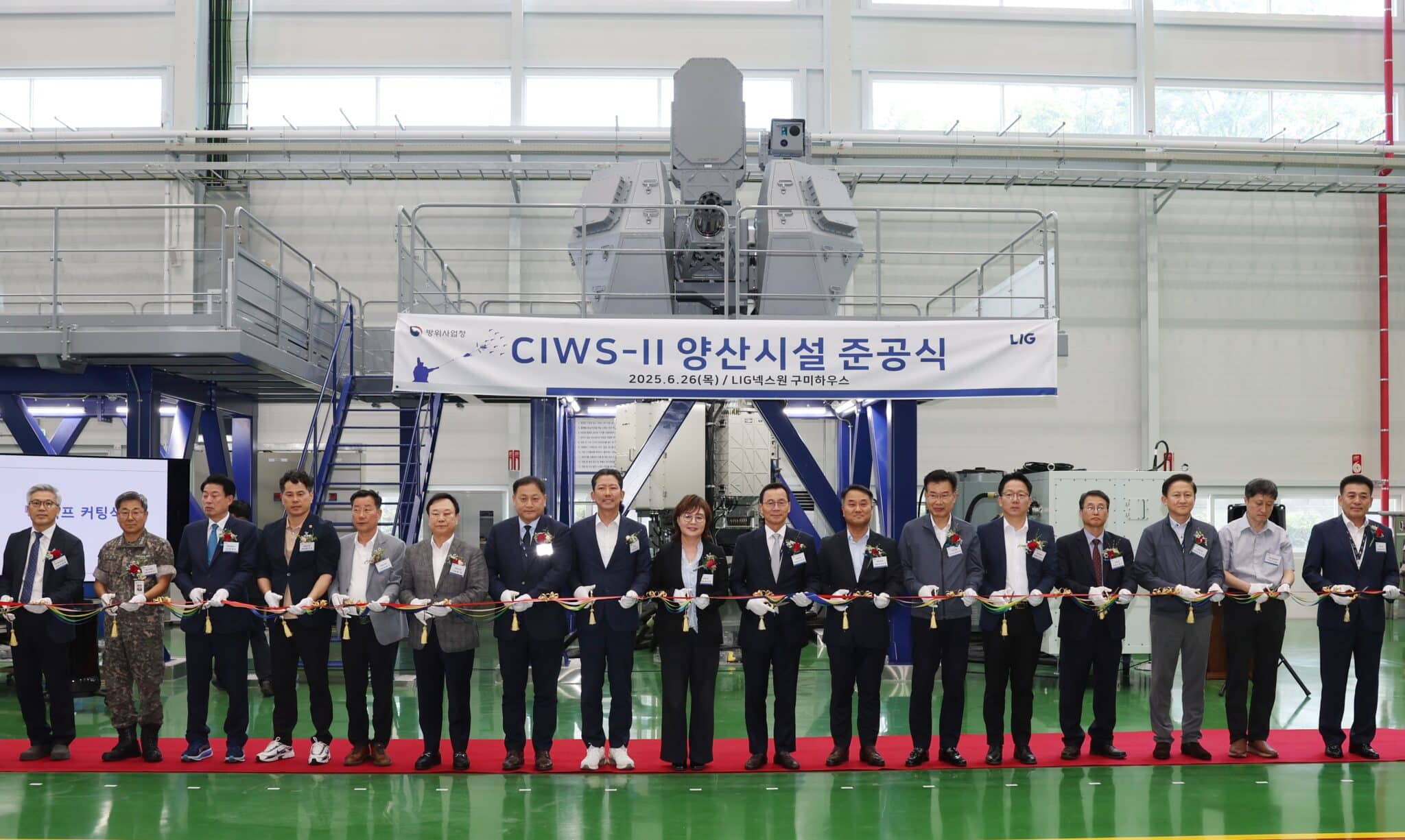
LIG Nex1 plans to complete development of the CIWS-II by 2027, which features a 360-degree all-direction AESA radar, electro-optical tracking equipment, and a 30mm Gatling gun for enhanced range, response speed, and firepower.
Both the recently delivered FFX Batch-III frigate ROKS Chungnam and the newly launched ROKS Gyeongbuk have yet to be equipped with a close-in weapon system (CIWS). The announcement of LIG Nex1’s completion of mass production and testing facilities for CIWS-II is a strong indicator that the system’s development is progressing smoothly. This raises expectations that Republic of Korea Navy warships will soon be equipped with CIWS-II, significantly enhancing their close-in defense capabilities.
LIG Nex1 Completes Construction of CIWS-II Mass Production Facility - Naval News
LIG Nex1 Completes Construction of CIWS-II Assembly and Test Facilities Optimized for Development and Mass Production at Gumi.
www.navalnews.com
LIG Nex1 plans to complete development of the CIWS-II by 2027, which features a 360-degree all-direction AESA radar, electro-optical tracking equipment, and a 30mm Gatling gun for enhanced range, response speed, and firepower.
Both the recently delivered FFX Batch-III frigate ROKS Chungnam and the newly launched ROKS Gyeongbuk have yet to be equipped with a close-in weapon system (CIWS). The announcement of LIG Nex1’s completion of mass production and testing facilities for CIWS-II is a strong indicator that the system’s development is progressing smoothly. This raises expectations that Republic of Korea Navy warships will soon be equipped with CIWS-II, significantly enhancing their close-in defense capabilities.


South Korean shipbuilding giants merge to boost defense growth
HD Korea Shipbuilding & Offshore Engineering (HD KSOE), HD Hyundai Heavy Industries (HHI) and HD Hyundai Mipo (HMD) have approved a merger agenda to enhance global competitiveness and expand orders in the shipbuilding and defense sectors.
 www.navaltoday.com
Following an extraordinary general meeting and merger review process, HHI and HMD will relaunch this December as the consolidated HHI.
This restructuring aims to maximize both quantitative and qualitative synergies, expand and diversify markets, and secure a decisive competitive edge in the fiercely contested global market through the preemptive development of advanced technologies.
The ROK Navy received its biggest Aegis destroyer till date. The ship was built in Ulsan, SK and weighs 8,400 tons.
Sorry for being pedantic. This is the second of the KDX-3 Batch-2 ships, the first of which, ROKS Jeongjo the Great, was commissioned last year. This one will be commissioned next year.
The ROK Navy received its biggest Aegis destroyer till date. The ship was built in Ulsan, SK and weighs 8,400 tons.
Additionally, this 8,400-ton figure represents the standard displacement. The full-load displacement for these ships is around 12,000 tons.
South Korea Completes KVLS-II Development - Naval News
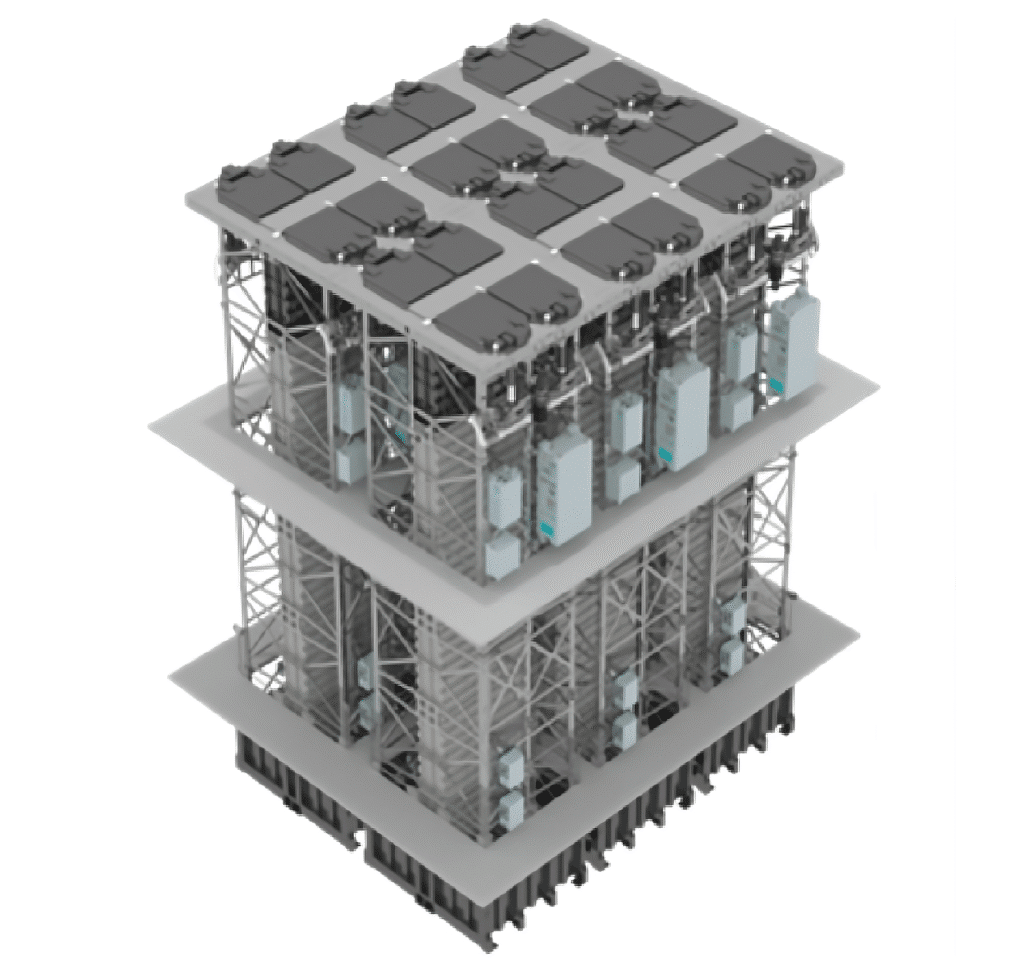
South Korea's DAPA held a ceremony to mark the completion of the development of the KVLS-II at Hanwha Aerospace's Changwon 2 plant on September 25, 2025.
www.navalnews.com
South Korea’s Defense Acquisition Program Administration (DAPA) held a ceremony to mark the completion of the development of the Korean Vertical Launching System-II (KVLS-II) at Hanwha Aerospace’s Changwon 2 plant on September 25, 2025.
Representatives from the DAPA, Republic of Korea Navy Headquarters, Agency for Defense Development (ADD) , Defense Agency for Technology and Quality (DTAQ), and Defense Rapid Acquisition Technology Research Institute (DRATRI) attended the event to commemorate the successful development of the KVLS-II, which will be deployed on destroyers and contribute to strengthening national defense capabilities.
Hanwha Ocean Launches First KSS-III Batch-II Submarine - Naval News
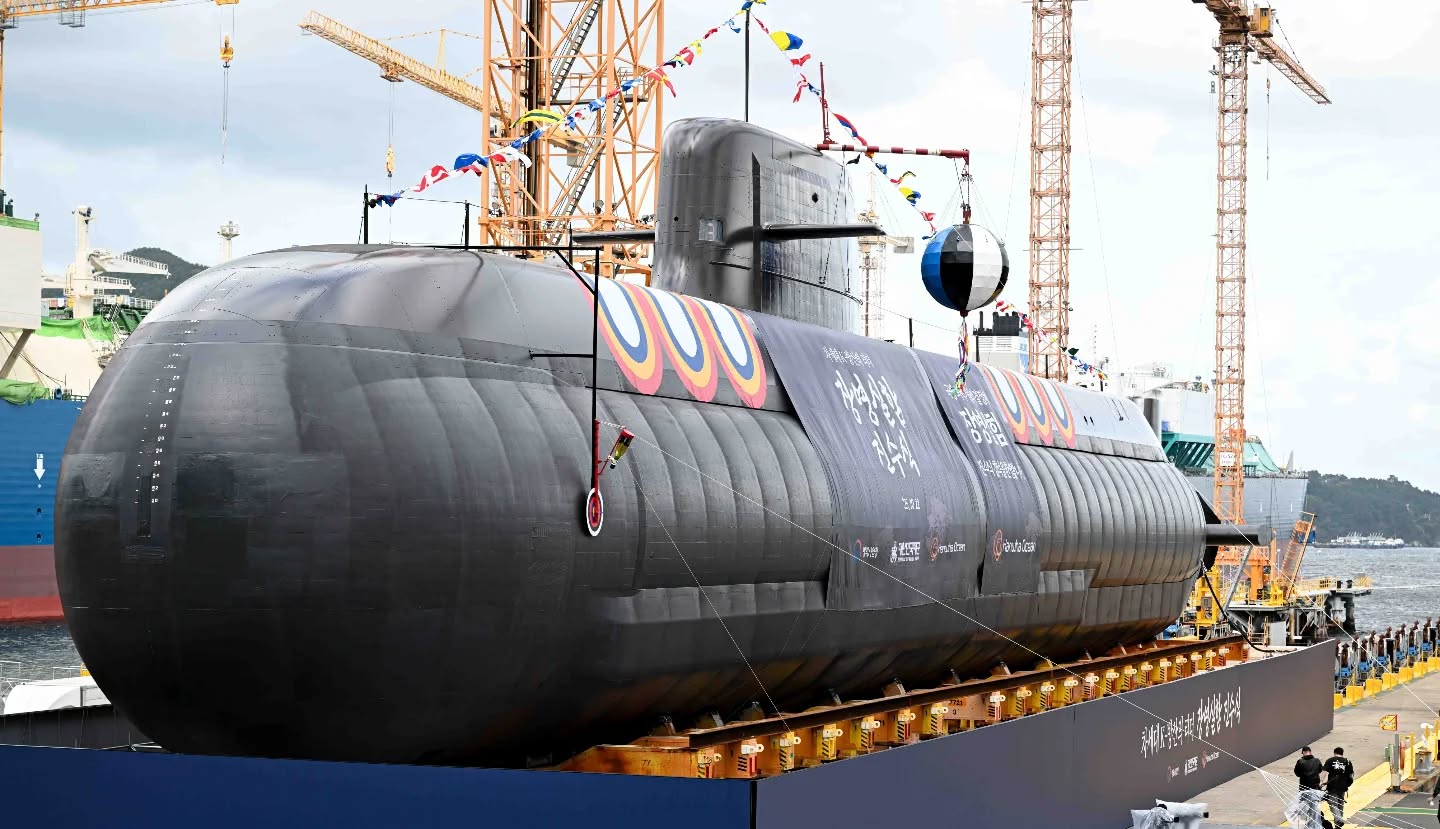
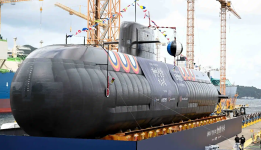
The Republic of Korea (ROK) Navy and the Defense Acquisition Program Administration (DAPA) held a launching ceremony for the ROKS Jang Yeong-sil, the first KSS-III Batch-II submarine
www.navalnews.com
The Republic of Korea (ROK) Navy and South Korea’s Defense Acquisition Program Administration (DAPA) held a launching ceremony for the ROKS Jang Yeong-sil, the first KSS-III Batch-II submarine, at Hanwha Ocean’s Geoje shipyard on the afternoon of October 22.
ROK Navy & DAPA Press Release issued in Korean, translated by Naval News
The KSS-III program is South Korea’s 3,000-ton-class submarine acquisition project. The Batch-I submarines are of the Dosan Ahn Chang-ho-class, and the newly launched Jang Yeong-sil marks the first vessel of the improved Batch-II series.
The ROKS Jang Yeong-sil, indigenously designed and built in South Korea, designed and built in South Korea, reached this significant milestone following the signing of the construction contract in 2019, the steel cutting ceremony in 2021, and the keel-laying ceremony in 2023.
Attachments

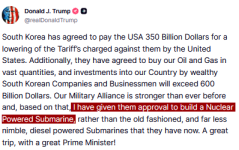


This guy is basically confirming that Korea is USA's outpost and can't do anything without US approval but this time pretty openly!View attachment 47431
South Korea to have nuclear submarines.
In anyways this will probably be nuclear version of their KSS subs.
There is nothing wrong with it. There is a mutual defense treaty, and 30,000 US troops are on the ground.This guy is basically confirming that Korea is USA's outpost and can't do anything without US approval but this time pretty openly!
More like the Koreans negotiated a watered-down investment deal for their second-largest export market, and also secured nuclear fuel for their nuclear submarine, the design and simulations of which they already have (not to mention a much longer-ranged SLBM under development).This guy is basically confirming that Korea is USA's outpost and can't do anything without US approval but this time pretty openly!
Give it another 15 years, and by 2040, the Koreans will likely have a larger SSN fleet than India (they already have a larger, more modern, and more indigenous conventional submarine fleet than India).
If one reads about Korea's military development history, it's very apparent just how rapid their indigenous development has been. For a nation that didn't have indigenous guns, it achieved a near complete indigenization in its army and now navy, with a clear roadmap to replicate the same in their air force.
Furthermore, this is a clear sign of South Korea advancing its nuclear hedging, with the development of all delivery vectors necessary for a nuclear triad. This is further in the context of Korea currently negotiating for nuclear fuel reprocessing and uranium enrichment. Essentially, by 2045-50 (or whenever a war/war-like scenario breaks out in East Asia), they'll be a nuclear power.
Its basically the long-term objective of the liberals in Korea to become a self-sufficient nuclear power, kick out the Americans, and maintain a distance from Japan.
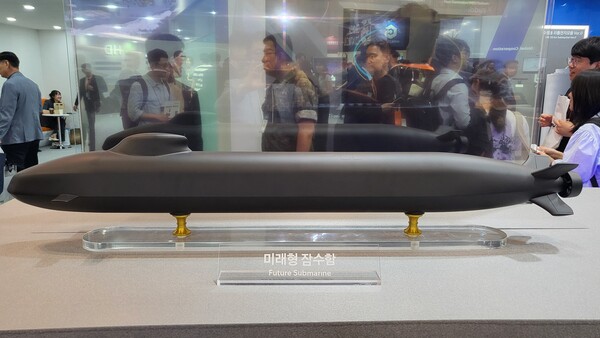
All Korean subs (present and future) will be called KSS - X (something). But this will most probably be the new design they had unveiled in MADEX this year. Preliminary information indicates that it will displace between 5-6,000 tons when surfaced, and between 6-7,000 tons when submerged.In anyways this will probably be nuclear version of their KSS subs.
The new design in question:

MADEX 2025: Hanwha Ocean unveils Future Submarine concept
South Korea's Hanwha Ocean has unveiled a vessel concept known as the Future Submarine, which showcases the company's shipbuilding capabilities and the suite of options...
 www.janes.com
한화오션, 60조 규모 '북미 잠수함 '사업 수주 위해 캐나다 지사 설립 - 생생비즈플러스
한화오션이 북미시장 공략 강화 차원에서 캐나다에 지사를 설립한다.16일 조선업계에 따르면 한화오션은 지난달 23일 열린 이사회에서 캐나다 지사 설립 안건을 의결했
The new SLBM in question:

South Korea to develop new VLS and SLBM for its Submarines - Naval News
South Korea issued a RFP for a new VLS for submarines capable of delivering a SLBM with an ejection weight of at least 10 tons.
www.navalnews.com
In some other news, they also revealed the Haeseong-V, the submarine launched version of their Brahmos-NG type anti ship missile, the land launched version of which they had unveiled in 2021.
The land launched version:

South Korea Unveils New Supersonic Anti-Ship Missile - Naval News
South Korea's new supersonic anti-ship missile "developed sometime last year is capable of responding to enemy naval forces approaching South Korean waters, according to the Blue House.
www.navalnews.com
Haeseong V:
But to build a nuclear sub even with their own capabilities they need US approval. A state supposed to be sovereign needs another states approval to build something by itself, it essentially openly shows it's just a subservient state in totality.There is nothing wrong with it. There is a mutual defense treaty, and 30,000 US troops are on the ground.
With all due respect I highly doubt they will have more nuclear subs than us, and in terms of capabilities our SSN and SSBN will far surpass anything they will build. We already have a very mature program for uranium enrichment, nuclear reactor design, ship yards etc for SSN and SSBN design and construction. In the SLBM department we are way ahead, their SLBM is nowhere in comparison to K4. Even by 2040 I think we will still be ahead in this specific department of defence because unlike other programs where we have royally fcked up nuclear subs is a very organized, massively funded effort in India.More like the Koreans negotiated a watered-down investment deal for their second-largest export market, and also secured nuclear fuel for their nuclear submarine, the design and simulations of which they already have (not to mention a much longer-ranged SLBM under development).
Give it another 15 years, and by 2040, the Koreans will likely have a larger SSN fleet than India (they already have a larger, more modern, and more indigenous conventional submarine fleet than India).
If one reads about Korea's military development history, it's very apparent just how rapid their indigenous development has been. For a nation that didn't have indigenous guns, it achieved a near complete indigenization in its army and now navy, with a clear roadmap to replicate the same in their air force.
Furthermore, this is a clear sign of South Korea advancing its nuclear hedging, with the development of all delivery vectors necessary for a nuclear triad. This is further in the context of Korea currently negotiating for nuclear fuel reprocessing and uranium enrichment. Essentially, by 2045-50 (or whenever a war/war-like scenario breaks out in East Asia), they'll be a nuclear power.
Its basically the long-term objective of the liberals in Korea to become a self-sufficient nuclear power, kick out the Americans, and maintain a distance from Japan.
All Korean subs (present and future) will be called KSS - X (something). But this will most probably be the new design they had unveiled in MADEX this year. Preliminary information indicates that it will displace between 5-6,000 tons when surfaced, and between 6-7,000 tons when submerged.
The new design in question:
MADEX 2025: Hanwha Ocean unveils Future Submarine concept
South Korea's Hanwha Ocean has unveiled a vessel concept known as the Future Submarine, which showcases the company's shipbuilding capabilities and the suite of options...
한화오션, 60조 규모 '북미 잠수함 '사업 수주 위해 캐나다 지사 설립 - 생생비즈플러스
한화오션이 북미시장 공략 강화 차원에서 캐나다에 지사를 설립한다.16일 조선업계에 따르면 한화오션은 지난달 23일 열린 이사회에서 캐나다 지사 설립 안건을 의결했www.livebiz.today
The new SLBM in question:
South Korea to develop new VLS and SLBM for its Submarines - Naval News
South Korea issued a RFP for a new VLS for submarines capable of delivering a SLBM with an ejection weight of at least 10 tons.
In some other news, they also revealed the Haeseong-V, the submarine launched version of their Brahmos-NG type anti ship missile, the land launched version of which they had unveiled in 2021.
The land launched version:
South Korea Unveils New Supersonic Anti-Ship Missile - Naval News
South Korea's new supersonic anti-ship missile "developed sometime last year is capable of responding to enemy naval forces approaching South Korean waters, according to the Blue House.
Haeseong V:
By 2040 India will have S5 class with 12-16 K5 SLBM and perhaps even K6, not to mention the first of the P77.
How is it a news? Their sovereignty is underwritten by the US. This is the case of many nations including Japan. They need explicit approval from the US for any radical changes in security posture.But to build a nuclear sub even with their own capabilities they need US approval. A state supposed to be sovereign needs another states approval to build something by itself, it essentially openly shows it's just a subservient state in totality.
If Trump's exact words were to be taken at face value, India felt threatened by the US to stop its war, the people of China love him, and Pakistan is the next Saudi Arabia.But to build a nuclear sub even with their own capabilities they need US approval. A state supposed to be sovereign needs another states approval to build something by itself, it essentially openly shows it's just a subservient state in totality.
The Koreans needed Trump's approval to get American fuel rods. Beyond that, this is just another step in securing reprocessing and enrichment rights, and going nuclear.
To be fair, this is open to personal interpretation, so everyone's free to draw their conclusion.
They will probably have more SSNs than us. Its a very specific claim (and it was something made in frustration, so yeah, could be wrong) . They expect the submarines to start entering service in 2035, the same timeline as us. The thing India has going for it is much more experience in building nuclear submarines in terms of the Arihant class. Anything beyond that, no one knows.With all due respect I highly doubt they will have more nuclear subs than us
No one will know the capabilities of these subs until both us and the Koreans have them in service.in terms of capabilities our SSN and SSBN will far surpass anything they will build.
Fair point. No one has any idea on the exact details of Korea's nuclear capabilities. The only things known to some extent are the following:We already have a very mature program for uranium enrichment, nuclear reactor design, ship yards etc for SSN and SSBN design and construction.
1. The submarine will be close to 6,000 tons surfaced.
2. It will have a hull form based on the next generation submarine model revealed at MADEX.
3. They expect to have these submarines in service by 2035.
4. Based on their future force structure plans (drafted in the 2000s and 2010s), they have 2 alternatives -
9 + 9 + 6: 18 conventional, 6 SSNs), and 9 + X: 9 conventional, unknown nuclear.
5. These SSNs will form a part of their 7th Maneuver Fleet (expanded from the 7th Maneuver Flotilla), headed by an aircraft carrier.
6. They will house the new Korean SLBM under development (first submerged platform test - 2027-28): will be based on the Hyunmoo-5, will weigh XX tons (that's what the RFI reveals) (this information was from before their defence minister acknowledged the existence of an under-development missile with much greater range, notionally named Hyunmoo-6). The range the Koreans have revealed in seminars and presentation is 3-4K kms (similar to the K4).
7. They have the designs of this submarine, and have run "simulation" models at Hanwha Ocean. As per their Navy chief, they had everything except the fuel, which now, they will have.
That's on the submarine front.
As far as nuclear capability is concerned, very little is known. Not arguing with @RationalGuy here, just for anyone interested in a short read:
1. Their nuclear program began under Park Chung-hee (yeah, the man behind their economic miracle) in 1973. They were very close to getting a nuclear weapon by 1979. The general belief is that they would have secured nuclear weapons if Park Chung-hee hadn't gotten assassinated later that year. His successor, Chun Doo-hwan, signed the missile restriction and 123 nuclear treaties.
2. They have the technology, designs and capabilities to obtain a nuclear weapon in a very short time.
3. As per the testimonies of Kim Jong-pil (Park Chung-hee's PM) and Oh Won-chul (a nuclear scientist), they had some amount of highly enriched uranium, and a warhead design by 1979), all of which "went missing" when Chun Doo-hwan disbanded the development, and killed/disappeared many scientists involved in that program, all to get the US to back his regime (he was extremely unpopular, faced massive protests, which led to the 1984 Gwangju massacre).
4. Following Chun, they stuck to civilian nuclear development, were fairly successful, iterated upon US designs, and produced their own advanced reactors (the APR series).
5. Created the first SSN design in the 1990s under Kim Young-sam, began a full-fledged program in 2003 under Roh Moo-hyun (362 intitiative), and have been created and refined newer designs from 2018-2022 under Moon Jae-in.
6. In related, but separate development, they have SMR designs for civilian ships.
What you can take for certain is that they want to become a nuclear weapons state, and will become one by the 2040s. And having SSNs and SSBNs is the natural course of action for a country wanting a triad.
Well, its a known fact that India is ahead of any country except for the US, Russia, China and France in SLBMs (the British don't make their own SLBMs, they buy them from the US).In the SLBM department we are way ahead, their SLBM is nowhere in comparison to K4.
The Koreans are roughly 10-15 years behind in that department (based purely on range and missile weight estimates).
Fair point.Even by 2040 I think we will still be ahead in this specific department of defence because unlike other programs where we have royally fcked up nuclear subs is a very organized, massively funded effort in India.
Just to add a bit, the Koreans are looking at roughly >20 trillion KRW in investment for the first SSN project, with each submarine costing them around 3 trillion KRW.
Korea is a near nuclear weapons state. But achieving a deliverable triad with command structure, early warning mechanism, launch mechanism etc is very hard, something where India has decades of experience. The type and yield of Korean warheads will be uncertain and if they want hydrogen capability they need to test which is not possible because of obvious political reasons. Perhaps India can offer them some data from our own nuclear tests to aid them in designing the compact miniaturized nuclear physics package needed for a deliverable warhead,as well as access to our supercomputers which already have the test data and software for developing nuclear weapons.If Trump's exact words were to be taken at face value, India felt threatened by the US to stop its war, the people of China love him, and Pakistan is the next Saudi Arabia.
The Koreans needed Trump's approval to get American fuel rods. Beyond that, this is just another step in securing reprocessing and enrichment rights, and going nuclear.
To be fair, this is open to personal interpretation, so everyone's free to draw their conclusion.
They will probably have more SSNs than us. Its a very specific claim (and it was something made in frustration, so yeah, could be wrong) . They expect the submarines to start entering service in 2035, the same timeline as us. The thing India has going for it is much more experience in building nuclear submarines in terms of the Arihant class. Anything beyond that, no one knows.
No one will know the capabilities of these subs until both us and the Koreans have them in service.
Fair point. No one has any idea on the exact details of Korea's nuclear capabilities. The only things known to some extent are the following:
1. The submarine will be close to 6,000 tons surfaced.
2. It will have a hull form based on the next generation submarine model revealed at MADEX.
3. They expect to have these submarines in service by 2035.
4. Based on their future force structure plans (drafted in the 2000s and 2010s), they have 2 alternatives -
9 + 9 + 6: 18 conventional, 6 SSNs), and 9 + X: 9 conventional, unknown nuclear.
5. These SSNs will form a part of their 7th Maneuver Fleet (expanded from the 7th Maneuver Flotilla), headed by an aircraft carrier.
6. They will house the new Korean SLBM under development (first submerged platform test - 2027-28): will be based on the Hyunmoo-5, will weigh XX tons (that's what the RFI reveals) (this information was from before their defence minister acknowledged the existence of an under-development missile with much greater range, notionally named Hyunmoo-6). The range the Koreans have revealed in seminars and presentation is 3-4K kms (similar to the K4).
7. They have the designs of this submarine, and have run "simulation" models at Hanwha Ocean. As per their Navy chief, they had everything except the fuel, which now, they will have.
That's on the submarine front.
As far as nuclear capability is concerned, very little is known. Not arguing with @RationalGuy here, just for anyone interested in a short read:
1. Their nuclear program began under Park Chung-hee (yeah, the man behind their economic miracle) in 1973. They were very close to getting a nuclear weapon by 1979. The general belief is that they would have secured nuclear weapons if Park Chung-hee hadn't gotten assassinated later that year. His successor, Chun Doo-hwan, signed the missile restriction and 123 nuclear treaties.
2. They have the technology, designs and capabilities to obtain a nuclear weapon in a very short time.
3. As per the testimonies of Kim Jong-pil (Park Chung-hee's PM) and Oh Won-chul (a nuclear scientist), they had some amount of highly enriched uranium, and a warhead design by 1979), all of which "went missing" when Chun Doo-hwan disbanded the development, and killed/disappeared many scientists involved in that program, all to get the US to back his regime (he was extremely unpopular, faced massive protests, which led to the 1984 Gwangju massacre).
4. Following Chun, they stuck to civilian nuclear development, were fairly successful, iterated upon US designs, and produced their own advanced reactors (the APR series).
5. Created the first SSN design in the 1990s under Kim Young-sam, began a full-fledged program in 2003 under Roh Moo-hyun (362 intitiative), and have been created and refined newer designs from 2018-2022 under Moon Jae-in.
6. In related, but separate development, they have SMR designs for civilian ships.
What you can take for certain is that they want to become a nuclear weapons state, and will become one by the 2040s. And having SSNs and SSBNs is the natural course of action for a country wanting a triad.
Well, its a known fact that India is ahead of any country except for the US, Russia, China and France in SLBMs (the British don't make their own SLBMs, they buy them from the US).
The Koreans are roughly 10-15 years behind in that department (based purely on range and missile weight estimates).
Fair point.
In the nuclear sub area are trying to achieve by 2035 we have already achieved with Arihant class that too with SLBM capability, so obviously by 2035 we will be even more ahead in terms of reactor capability, fuel enrichment, fuel replacement, crew experience, quietning techniques, maintenance, etc all of which takes time to achieve.
Basically as one US senator very aptly put nuclear submarine program is as hard and complex as having a space program, both require extensive political will, technical maturity, experience, etc. Korea surpassing us in SSN SSBN area has same probability as them surpassing us in space. But they dont need to have our level of capabilities obviously and the level they have already achieved and will achieve for such a small country is indeed a testament to the capability and hard work of the Korean people and government. Indeed they will be far ahead of even Pakistan in the underwater deterrence domain which is highly embarrassing considering Korea is multiple times smaller in population and area than Pakistan.
Last edited:
Well, seriously, if they offer concrete tech, infrastructure and know-how on memory/HBM (where they control 80% of the market), and sub-5nm processes in exchange, then why not?Perhaps India can offer them some data from our own nuclear tests to aid them in designing the compact miniaturized nuclear physics package needed for a deliverable warhead,as well as access to our supercomputers which already have the test data and software for developing nuclear weapons.
The end result of making a other country hostile to China be armed with nuclear weapons is alone enough.Well, seriously, if they offer concrete tech, infrastructure and know-how on memory/HBM (where they control 80% of the market), and sub-5nm processes in exchange, then why not?