UK Royal Navy: News & Discussions

Difficult to determine whether this is stupid or clever at this stage, it reduces the amount of high cost prestige targets for the like sof Chinese AShBM/HWs to aim at but it leaves one wondering what air defence vessels will be protecting the carriers??


Drones, fighters, armored vehicles: Highlights from the UK’s Defence Investment Plan​

Beyond top line spending, one of the leading takeaways from the DIP is the clear push to acquire and field autonomous systems, underpinned by a £5 billion investment in the technology, which includes plans for a "hybrid navy."
 

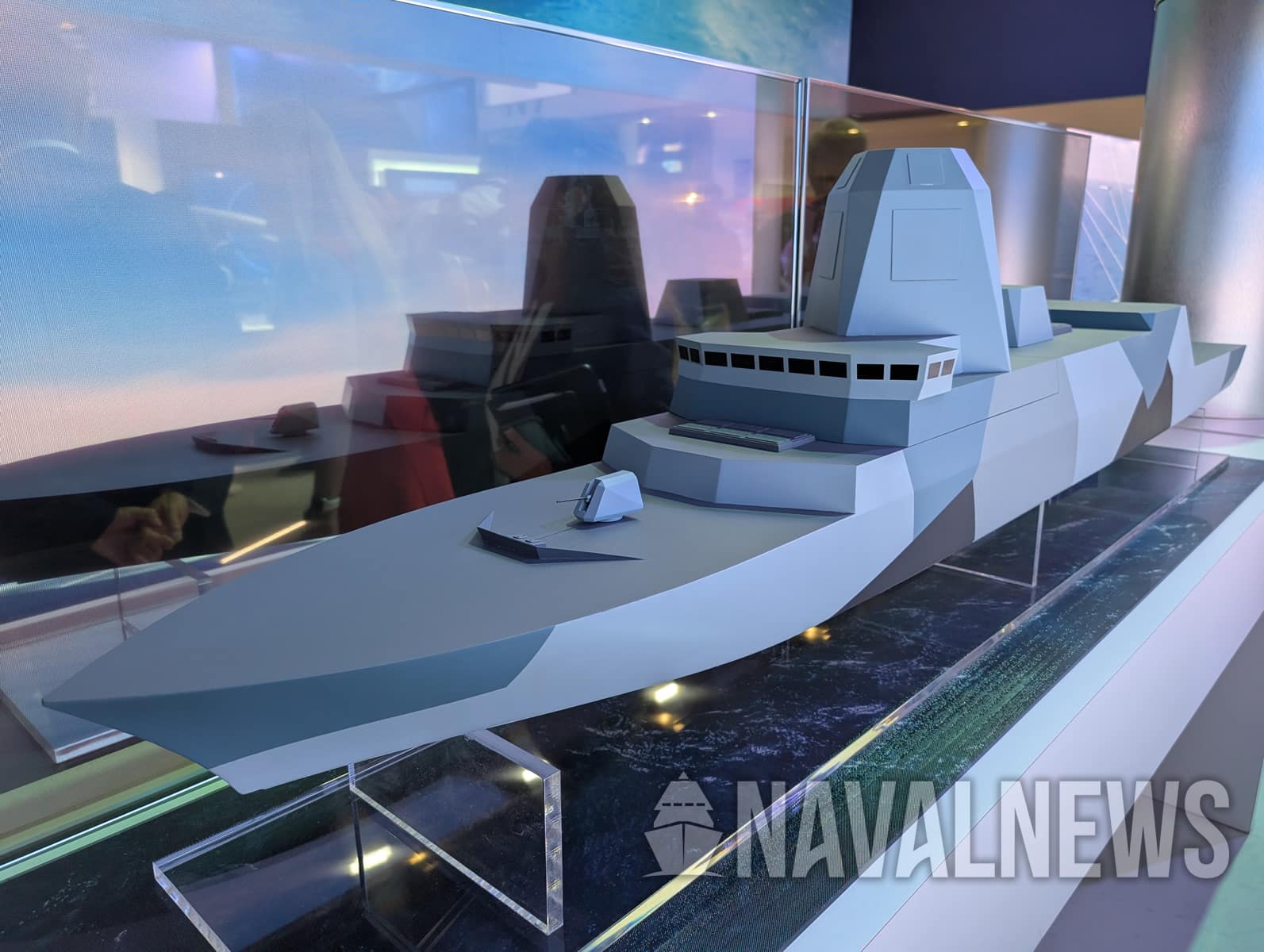
At least six Common Combat Vessels will be built for the Royal Navy​

When in service, these CCVs will work alongside eight Type 26 and five Type 31 crewed frigates, as well as Type 91 uncrewed missile platforms, Type 92 uncrewed underwater sensing platforms, Type 93 Extra-Large Uncrewed Underwater Vehicles and Type 94 uncrewed sensor platforms, representing a once in a generation investment in new maritime capability.
 
Difficult to determine whether this is stupid or clever at this stage, it reduces the amount of high cost prestige targets for the like sof Chinese AShBM/HWs to aim at but it leaves one wondering what air defence vessels will be protecting the carriers??

Emperor's New Clothes, it's window dressing to what is fundamentally a shitty situation. Was it impossible for a proper general-purpose destroyer to be the C2 node for these "unmanned assets"?
 
Last edited:
  • Like
Reactions: Photon Vish
Emperor's New Clothes, it's window dressing to what is fundamentally a shitty situation. Was it impossible for a proper general-purpose destroyer to be the C2 node for these "unmanned assets"?
See post #424, it's probably going to be quite good actually. Uncrewed missile platforms with provide firepower, co-ordinating with other ships.

Difficult situation, drone shave changed naval warfare just as they've changed land warfare.
 
See post #424, it's probably going to be quite good actually. Uncrewed missile platforms with provide firepower, co-ordinating with other ships.

Difficult situation, drone shave changed naval warfare just as they've changed land warfare.
I don't have enough faith in this boss.

If they can pull this off, great, but the first budget given to the navy is a pittance compared to what a country like the UK should have.

There are fundamental problems with the whole USV architecture, including things like logistics, maintenance, comms, etc.

It seems to me like a case where the Royal Navy proposed what could become a good force multiplier and the UK government basically said, "Right now, since you have these drones, you don't need manned ships, now do you?"

They also cancelled the MRSS what I thought would be a much better platform for the drone C2 node role.
 
View: https://x.com/defense_news/status/2072698825446240316?s=20

UK ratchets up nuclear spending, with new warhead and delivery planes in the works​

UK ratchets up nuclear spending, with new warhead and delivery planes in the works
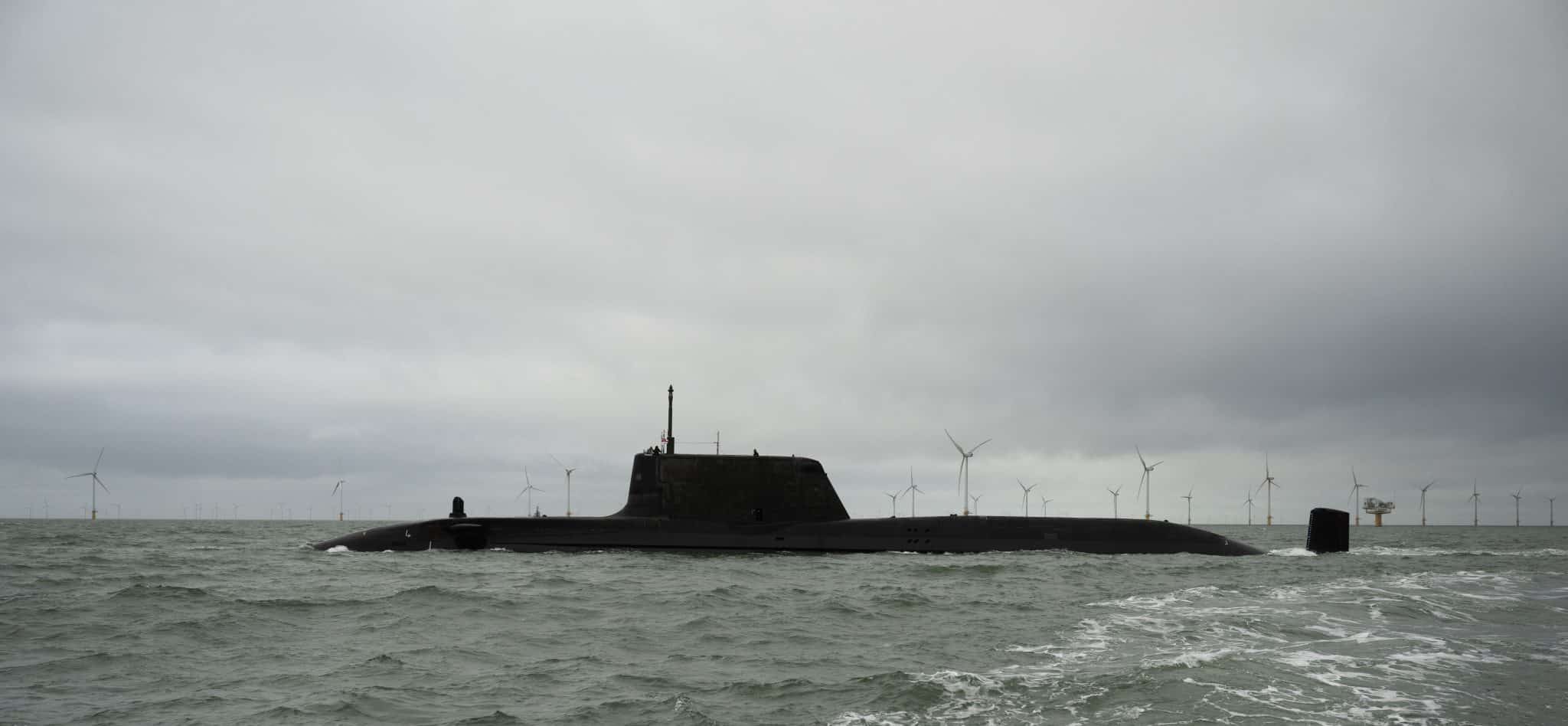
Britain will pour more than £63 billion ($84 billion) into its nuclear deterrent over the next four years, the government confirmed this week.
The money will fund the Dreadnought-class ballistic missile submarines and SSN-AUKUS attack boats, along with a new sovereign warhead named Astraea, according to the announcement.
 
  • Informative
Reactions: Amarante
Doesn't change the fact that the overall success rate is better than the M51.
Success depends heavily on the missile, but also to some extent on the submarine; the success rate with British submarines is 8 out of 10, or 80%....
In contrast, with a US submarine, there have been 181 successes out of 184 launches—a success rate of 98.4%.
 
Last edited:
Success depends heavily on the missile, but also to some extent on the submarine; the success rate with British submarines is 8 out of 10, or 80%....
In contrast, with a US submarine, there have been 181 successes out of 184 launches—a success rate of 98.4%.
Success rate depends only on the launch tubes and the missile and they're both the same in those cases - stop making strawmans. Fact is that test missiles are old, unmaintained missiles that have been left in a warehouse for a significant period.

And it was actually 10 out of 12 for Uk launched as stated in the link. I'd wager that the delta is because the UK's test missiles are older and less well maintained to save money. The live missiles are well maintained and far newer.
 
Last edited:
Success rate depends only on the launch tubes and the missile and they're both the same in those cases - stop making strawmans. Fact is that test missiles are old, unmaintained missiles that have been left in a warehouse for a significant period.

And it was actually 10 out of 12 for Uk launched as stated in the link. I'd wager that the delta is because the UK's test missiles are older and less well maintained to save money. The live missiles are well maintained and far newer.
Maybe if you feed the missile bad data, the launch doesn't go well? I’ve noticed that the probability of success drops when the test series are short; even in the US, land-based launches—of which there have only been about twenty—have a success rate of just 84%.
 
Maybe if you feed the missile bad data, the launch doesn't go well? I’ve noticed that the probability of success drops when the test series are short; even in the US, land-based launches—of which there have only been about twenty—have a success rate of just 84%.
And why would you feed the missile bad data?