
US - Israel - Iran War
- Thread starter Shan
- Start date
You are using an out of date browser. It may not display this or other websites correctly.
You should upgrade or use an alternative browser.
You should upgrade or use an alternative browser.

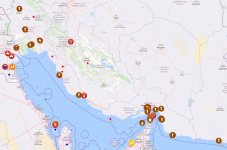

The United States used three Corsair naval drones for the first time to attack Iranian port infrastructure. The target of the US naval drone attack was a submarine and naval maintenance facility in Bandar Abbas, Iran.
The Corsair naval drones were developed by the American company Saronic Technologies. The unmanned Corsair boat can carry up to 450 kg of payload over a range of over 1,850 km at a speed of approximately 65 km/h. The drone is controlled via the Starlink system.
The Corsair naval drones were developed by the American company Saronic Technologies. The unmanned Corsair boat can carry up to 450 kg of payload over a range of over 1,850 km at a speed of approximately 65 km/h. The drone is controlled via the Starlink system.
Iran launched a missile strike against a US base in Jordan and an oil facility in Bahrain. The type of missiles used by Iran has not been disclosed. Footage also shows American Patriot air defense systems in action. It is worth noting that the US is currently also striking Iranian targets.

Trump is a man of the moment, accustomed to generating media spectacles for an audience with a short attention span. But Hormuz is not just a news cycle; it is a physical bottleneck in the global economy.
He embarked on a war he likely thought would be short, spectacular, and politically profitable. It is now settling in for the long haul—impacting oil prices, maritime insurance, tanker routes, and, soon, the price at the pump.
In Ukraine, he could simply change the subject. With Hormuz, he cannot: American voters see the crisis right there on the gas station sign.
The longer he stalls, the more drastic the eventual outcomes become: military escalation, humiliating de-escalation, or a sham deal sold as a victory. He likely senses this. And since there are no good options, he does what he knows best: buying time through spectacle.
Trump can control a narrative for forty-eight hours; he cannot exert lasting control over a strait, an oil market, and a regional war.
He embarked on a war he likely thought would be short, spectacular, and politically profitable. It is now settling in for the long haul—impacting oil prices, maritime insurance, tanker routes, and, soon, the price at the pump.
In Ukraine, he could simply change the subject. With Hormuz, he cannot: American voters see the crisis right there on the gas station sign.
The longer he stalls, the more drastic the eventual outcomes become: military escalation, humiliating de-escalation, or a sham deal sold as a victory. He likely senses this. And since there are no good options, he does what he knows best: buying time through spectacle.
Trump can control a narrative for forty-eight hours; he cannot exert lasting control over a strait, an oil market, and a regional war.
Attacks on Saudi Arabia by Yemen's Iran-aligned Houthis this week have frustrated Pakistan and threaten to draw Islamabad into the conflict, complicating any future role it may have as a mediator between the United States and Iran.

How come this thread doesn't show on the main page?@Ashwin
The spokesperson for the Iraqi Ministry of Oil: Crude oil loading operations at Iraq's southern ports are ongoing.
US military: Three commercial vessels were diverted and a fourth was disabled after attempting to breach the blockade on Iran.

العربية عاجل
الجيش الأميركي: تغيير مسار 3 سفن تجارية وتعطيل رابعة حاولت اختراق الحصار على إيران
 t.me
t.me
Weather in Iran still very bad, bridges now alledgedly being hit.
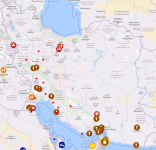
Targeting a bridge connecting Bandar Abbas and Shiraz in southern with intense American airstrikes.Has #Trump's threats to target bridges and civilian infrastructure begun?
US and Iran escalate strikes across Mideast
The United States and Iran exchanged strikes aimed at infrastructure and military targets on Saturday as their battle over the Strait of Hormuz intensified. The U.S. Central Command said early Saturd...
Last edited:

US and Iran escalate strikes across Mideast
The United States and Iran exchanged strikes aimed at infrastructure and military targets on Saturday as their battle over the Strait of Hormuz intensified. The U.S. Central Command said early Saturd...www.yahoo.com


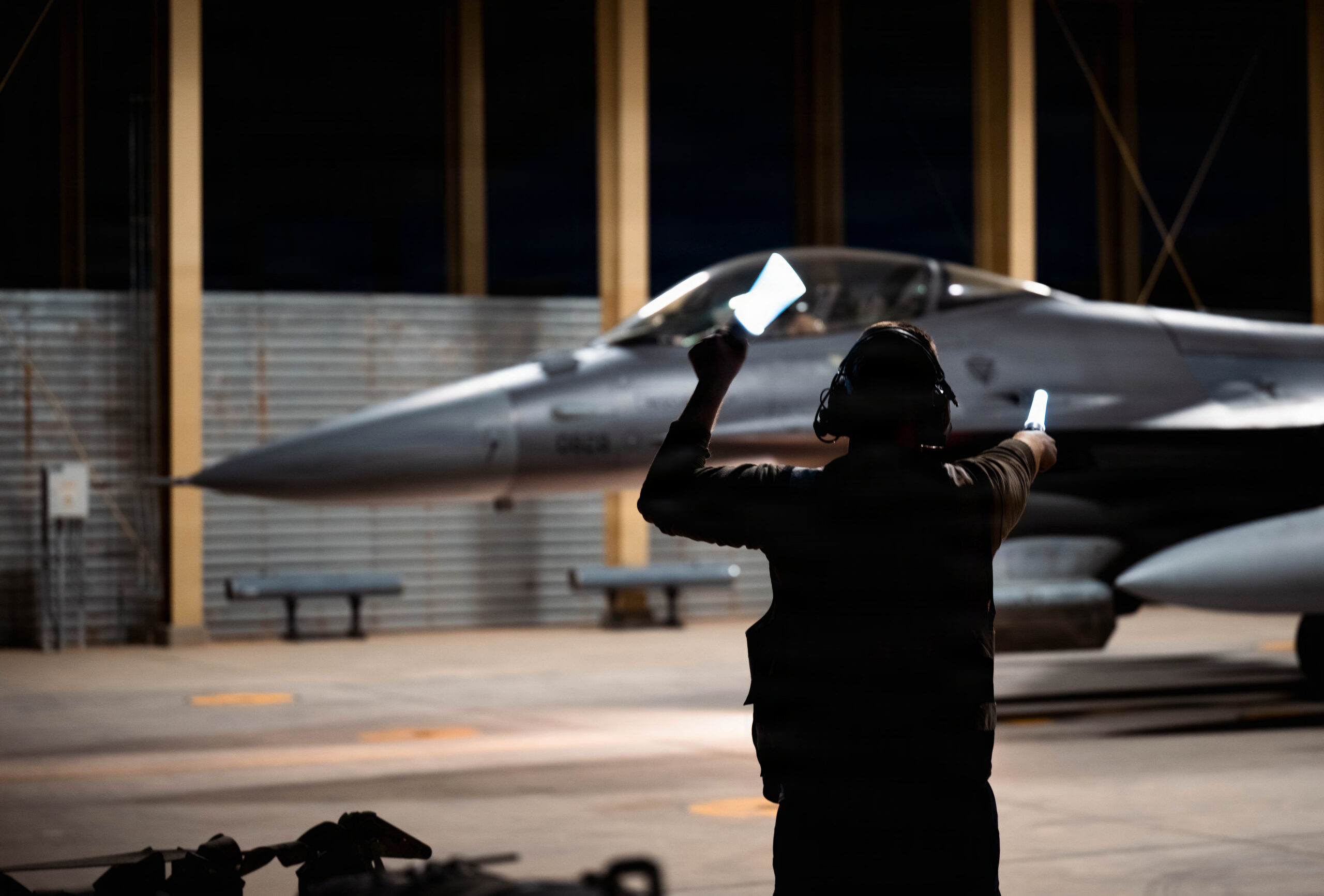
US Deploying F-16s and F-35s to Middle East for Iran War
As the U.S. war with Iran reintensifies, the Pentagon is rushing warplanes to the Middle East, including Air Force F-16 and F-35 fighters.
 www.airandspaceforces.com

Does India have similar laws on the books for Momins who might be placing loyalty to religion above loyalty to country?
Our entire justice system is basically a more draconian and regressive version of the British justice system.Does India have similar laws on the books for Momins who might be placing loyalty to religion above loyalty to country?
We have UAPA for momins and the other deplorables.

Trump is a man of the moment, accustomed to generating media spectacles for an audience with a short attention span. But Hormuz is not just a news cycle; it is a physical bottleneck in the global economy.
He embarked on a war he likely thought would be short, spectacular, and politically profitable. It is now settling in for the long haul—impacting oil prices, maritime insurance, tanker routes, and, soon, the price at the pump.
In Ukraine, he could simply change the subject. With Hormuz, he cannot: American voters see the crisis right there on the gas station sign.
The longer he stalls, the more drastic the eventual outcomes become: military escalation, humiliating de-escalation, or a sham deal sold as a victory. He likely senses this. And since there are no good options, he does what he knows best: buying time through spectacle.
Trump can control a narrative for forty-eight hours; he cannot exert lasting control over a strait, an oil market, and a regional war.
Invest in sugarcane and corn in Africa. Get yourself some Bio Ethanol to get rid of these bottlenecks in volatile zone.