US - Israel - Iran War

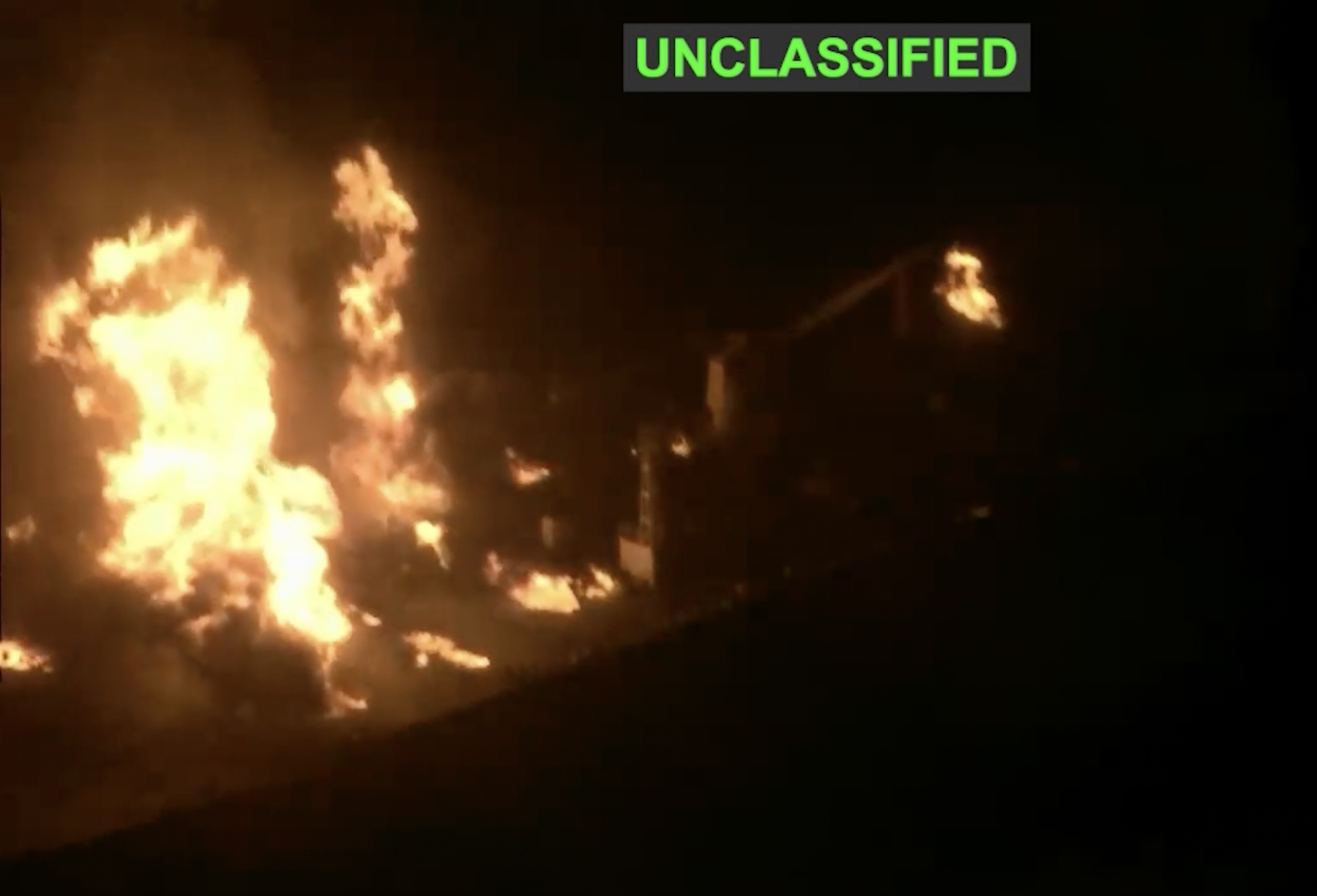
Following US strikes on Iranian oil tankers, Iran launched a missile attack on the Muwaffaq Salti Air Base near the city of Al-Azraq in Jordan, where US forces are stationed. The attack was large-scale and lasted several hours. The video shows Patriot air defense systems in action; judging by the footage, not all of the Iranian missiles were successfully intercepted.

 
US Central Command released footage of strikes on Iranian oil tankers. The strikes targeted five tankers sailing under the flags of various countries; the vessels were located in the Gulf of Oman and the Persian Gulf. Subsequently, Iran launched retaliatory strikes against US ships and a military base in Jordan. The US strikes targeted the tankers M/T Kaviz (Comoros-flagged), Derya (Iran-flagged), Horizon 1 (Comoros-flagged), Charminar (Palau-flagged), and Riesco (Zimbabwe-flagged).


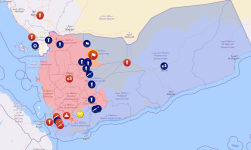
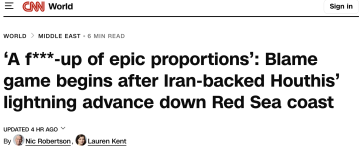
The desperate pleas for air cover from Yemeni generals started coming mid-morning on Thursday. An advance by the Iran-backed Houthis toward Yemen’s strategic port city of Mocha was in full swing, and backup support from chief ally Saudi Arabia was nowhere in sight.

“The Houthis committed everything they had – waves upon waves of fighters … along with their available ballistic missiles and weapons,” a senior Yemeni source attached to their military forces told CNN. The source said he contacted the United States Central Command (CENTCOM) and was assured the US was “watching the situation closely and that Saudi air support was coming.”

“But the air support never came,” the source said. “And Mocha has now fallen.”

Hours later, on Friday, the Houthis captured another key coastal asset, Perim Island, at the mouth of the Red Sea. The island splits the Bab al-Mandeb Strait in two, giving Tehran de facto control over another key shipping route.

The Houthis’ rapid advance amounts to an extraordinary 36 hours in a conflict that had been largely on ice for years. But the kindling for renewed fighting had been laid for months amid the conflict between the United States and Iran, as Tehran seeks to use oil prices – and their impact on the global economy – as leverage.

Now, Yemen and the Red Sea have the potential to become a true second front in the Iran war.
1789242248021.png
 
Saudi guy rang Trump twice for help, he told them no twice, The US has lost this war, it is just a matter of time before they leave, Like A'stan and Iraq
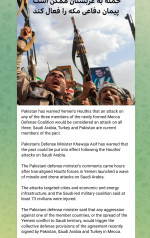
The Pak and turkey agreement also said no
Houthi has the strait and Islands

The Saudi east west oil pipeline is gone

US 10 year bond 4.992%
Diesel US$6 a gal
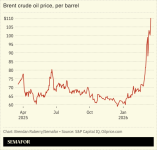
Over $100 a barrel for brent

1789253369296.png
 
Last edited:
The US hasn't struck the Houthis yet because they haven't struck tankers in the strait yet, the moment they do it's over for them.
 
I thought it was that the US gave up fighting Houthis last year and didn't want another round, where they lost aircraft and had their carrier driven out
Well they can't keep fighting if the US declares victory and leaves, Something it will also do with Iran


an hour ago was the latest attack on a ship, it seems they can do 2 things at once, overrun ground forces and attack ships

The Saudi and UAE mercenaries in Yemen, just dropped everything and left, Which is why it was so fast, They now have a lot more equipment
 
Last edited:
The Houthis lost the high ground to their east, this is a dying breath. They won't last long with shipments from Iran blocked and if there's less oil we'll have to cut down on non-essential deliveries, like their food aid.

Wonder if anyone in the EU will complain about Saudi bombing this time around? Seems unlikely.

 
Last edited: