- We can enjoy by LOL, ROFL, LMAO, etc as per our comprehension but doesn't help technically.


- No matter what methodology & angle is taken for reference, just like diferent students score different, similarly different nations have different success levels with their R&D & products in any domain & segment. So someone will emerge to be leader & others as laggers. I'm not saying to believe media blindly, there're millions of techie citizens today. But citizens have to consider some face value. And it's ok to have different opinions.
- Common citizens use some internet browser which direct to YT, Quora, Wikipedia, forums like this, official sites, blogs, etc. If youre unhappy, you tell us alternative, we'll follow. This is casual chat forum which doesn't ask more than UNVERIFIED email to register. Don't expect everyone tobe journalist, in contact with DoD.
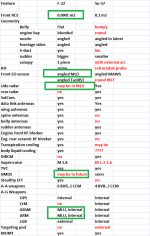
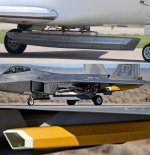
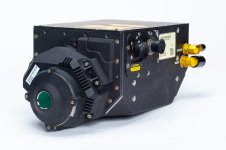
- Aren't you aware of 11 Bn$ MLU ARES (Advanced Raptor Enhancement and Sustainment). Haven't you seen the pics of stealthy EFTs, IRST pod, TacIRST, some coatings being tested on F-22 & business jet testbeds?
- This is discussion, not argument, use +ve & neutral words. No, with some exceptions, most MLU equipment cannot be put into F-4 or older gen bcoz they're custom built, it is mismatch, illogical, as the overall efficiency is due to all components in the system.
You've shared some good tech data so far, with touch of philosophy. But,
you wanna compare use of antenna on car with 5gen fighter jet?

- It's ok if you or me or any member don't have idea of something. Who is aero-pro here? And many things about these military products are meant to be secret while people can guess endlessly. So let me make my guess & you can make yours.
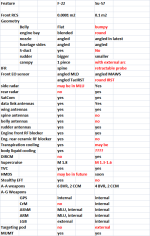
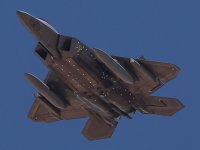
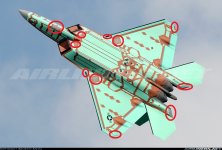
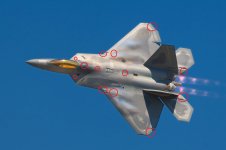
- The antennas on spine & belly would be used to have spherical RF coverage like EO-DAS, so that when flying low or high, no enemy can pounce from below or top. They may aid MAWS too.
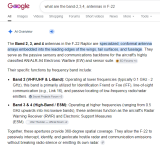
- L-band antenna can be used for SatCom, GPS, radar, SAR mapping, CNI (Communication, Navigation, Identification), etc. With so many uses obviously different nations on their products will use for different set of purposes.
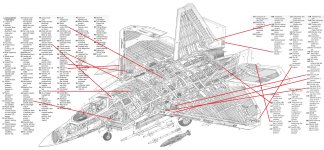
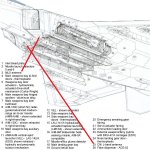
> From cutaway diagrams on internet since years -
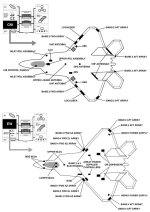
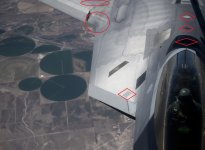
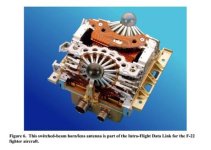
- F-22 has separate GPS, SatCom & L-band antennas on spine + set of IFDL (In Flight Data Link) antennas + Band-2,3,4 antennas for EW & CNI.
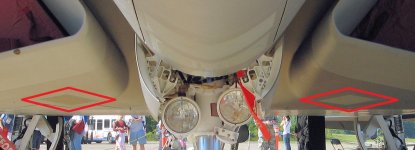
- On belly, 1 is MLS (Microwave Landing System) & other is L-band.






 People raising kids know all this. Let's keep philosophy for our kids.