
05.01.25
The Russian Navy is significantly weakened in the Mediterranean. The collapse of the Assad regime in Syria has denied them their permanent base there. And with it, their ability to maintain conventional submarines there for any length of time. The only boat known to be there has just left, leaving no Russian submarines in the Mediterranean.
The fall of the Assad regime in Syria in the final weeks of 2024 continues to reverberate through the Russian political and military system. Russia has lost the use of the naval base at Tartus, which is already affecting its ability to maintain forces in the Mediterranean. The Russian Navy is at its weakest there since before the 2022 full-scale invasion of Ukraine.
Significantly, Russia does not have any submarine in the Mediterranean Sea. The last left on January 2. It is possible that there is a nuclear powered submarine there, but we consider this unlikely.
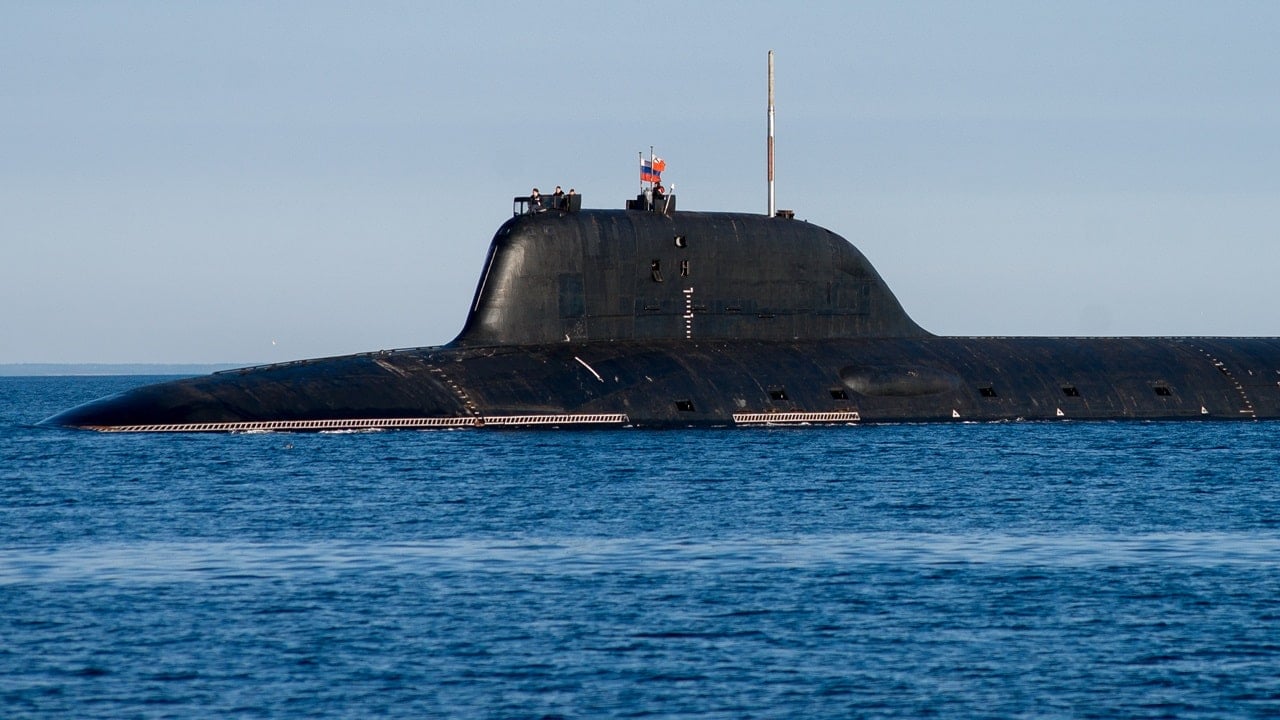
Under the cover of darkness January 2, the Improved Kilo Class submarine Novorossiysk (B-61) slipped quietly out through the Strait of Gibraltar. Like routine transits back to the Baltic, it was conducted on the surface. Its voyage was confirmed by the Portuguese Navy on January 4.
A sustained submarine presence is untenable
Russia has maintained an almost continuous conventional submarine deployment in the Mediterranean for around a decade. Russia’s current permanent Mediterranean Sea Task Force was established in 2013 and has consistently included one or more Kilo class submarines on overlapping deployments. Naval expert Frederik Van Lokeren keeps a log of Russian vessels in the Mediterranean. This shows that there have been brief gaps in submarine deployments, notably in late 2023, but in general there has always been a Russian Kilo class submarine deployed there.
These were based at Tartus but no submarine has called there since around December 3, 2024. The loss of the base means that any submarine deployed there has to remain at sea, with only the possibility of brief calls at friendly ports. In practice Russian conventionally powered submarines spend most of their time in port, even on deployment. This makes a sustained presence in the Mediterranean untenable.
Problems with its replacement submarine?
Novorossiysk‘s replacement, if there is to be one, is still in the North Sea awaiting transit south to the Mediterranean. This Improved-Kilo class boat, believed to be Krasnodar (B-265), but possibly Mozhaisk(B-608), was observed leaving the Baltic on December 31, 2024. The submarine would normally have progressed further by now but there appears to be some delay and it has not yet been reported in the English Channel. Possibly it is related to the situation in the Mediterranean, but a more likely explanation seems to be a serviceability issue with either the submarine or one of its escorts.
The wider implications
The Russian naval base at Tartus has been a key part of Russia’s military and political influence in the Middle East and Africa. The reduced presence of warships and submarines in the Mediterranean is likely to reduce this influence.
Russia may seek to replace Tartus with another base. There has been talk of Russia negotiating a deal with the new Syrian government to retain the base but there are no signs of this on the ground.
Possible locations have been speculated, including Benghazi, Tobruk or Al Burdi. These towns in eastern Libya are controlled by Khalifa Haftar who is supported by Russia. No such deal has been confirmed however and there are are no clear signs of new construction. And any base agreed with Haftar might run into political turmoil after the 81 year-old passes.
Russia’s struggle to maintain its submarine force in the Mediterranean is also symptomatic of wider issues. The Russian Navy is overstretched following the 2022 full-scale invasion of Ukraine and is suffering maintenance challenges. Significant resources are likely being diverted to the fighting in Ukraine. And at the same time the Russian economy is facing headwinds. It seems unlikely that Russia will be able to maintain regular submarine deployments there for the foreseeable future. /end
After Loss Of Tartus, Russia Now Has No Submarines In The Mediterranean
https://www.navalnews.com/naval-news/2025/01/after-loss-of-tartus-russia-now-has-no-submarines-in-the-mediterranean/The Russian Navy is significantly weakened in the Mediterranean. The collapse of the Assad regime in Syria has denied them their permanent base there. And with it, their ability to maintain conventional submarines there for any length of time. The only boat known to be there has just left, leaving no Russian submarines in the Mediterranean.
The fall of the Assad regime in Syria in the final weeks of 2024 continues to reverberate through the Russian political and military system. Russia has lost the use of the naval base at Tartus, which is already affecting its ability to maintain forces in the Mediterranean. The Russian Navy is at its weakest there since before the 2022 full-scale invasion of Ukraine.
Significantly, Russia does not have any submarine in the Mediterranean Sea. The last left on January 2. It is possible that there is a nuclear powered submarine there, but we consider this unlikely.
Under the cover of darkness January 2, the Improved Kilo Class submarine Novorossiysk (B-61) slipped quietly out through the Strait of Gibraltar. Like routine transits back to the Baltic, it was conducted on the surface. Its voyage was confirmed by the Portuguese Navy on January 4.
A sustained submarine presence is untenable
Russia has maintained an almost continuous conventional submarine deployment in the Mediterranean for around a decade. Russia’s current permanent Mediterranean Sea Task Force was established in 2013 and has consistently included one or more Kilo class submarines on overlapping deployments. Naval expert Frederik Van Lokeren keeps a log of Russian vessels in the Mediterranean. This shows that there have been brief gaps in submarine deployments, notably in late 2023, but in general there has always been a Russian Kilo class submarine deployed there.
These were based at Tartus but no submarine has called there since around December 3, 2024. The loss of the base means that any submarine deployed there has to remain at sea, with only the possibility of brief calls at friendly ports. In practice Russian conventionally powered submarines spend most of their time in port, even on deployment. This makes a sustained presence in the Mediterranean untenable.
Problems with its replacement submarine?
Novorossiysk‘s replacement, if there is to be one, is still in the North Sea awaiting transit south to the Mediterranean. This Improved-Kilo class boat, believed to be Krasnodar (B-265), but possibly Mozhaisk(B-608), was observed leaving the Baltic on December 31, 2024. The submarine would normally have progressed further by now but there appears to be some delay and it has not yet been reported in the English Channel. Possibly it is related to the situation in the Mediterranean, but a more likely explanation seems to be a serviceability issue with either the submarine or one of its escorts.
The wider implications
The Russian naval base at Tartus has been a key part of Russia’s military and political influence in the Middle East and Africa. The reduced presence of warships and submarines in the Mediterranean is likely to reduce this influence.
Russia may seek to replace Tartus with another base. There has been talk of Russia negotiating a deal with the new Syrian government to retain the base but there are no signs of this on the ground.
Possible locations have been speculated, including Benghazi, Tobruk or Al Burdi. These towns in eastern Libya are controlled by Khalifa Haftar who is supported by Russia. No such deal has been confirmed however and there are are no clear signs of new construction. And any base agreed with Haftar might run into political turmoil after the 81 year-old passes.
Russia’s struggle to maintain its submarine force in the Mediterranean is also symptomatic of wider issues. The Russian Navy is overstretched following the 2022 full-scale invasion of Ukraine and is suffering maintenance challenges. Significant resources are likely being diverted to the fighting in Ukraine. And at the same time the Russian economy is facing headwinds. It seems unlikely that Russia will be able to maintain regular submarine deployments there for the foreseeable future. /end