Saras and NAL Projects : Updates & Discussions

You are mixing it up a bit..

NAL isn't structured for making aircraft. They are more of an academic research library who just so happens to have been given the task of making the Saras.

Their research work is what makes them standout.

For an aircraft of that size, the way the Chinese did it is a ideal process to begin with. In our case it would be to have ADA along with perhaps if required, a foreign partner like Antonov or UAC companies, for designing and HAL or Private consortium to manufacture it.

It will require a lot of infra to construct a plane of that size. We currently have nothing of that sort. NAL RTA is a 70-90 seater jet and for that they have requested a total funding of ₹12,511cr. A major part of that is not for designing, but for building the infra required. This is around 20x what was required for Saras Mk2.

For a big jet, it will be even more. Whether such big funds will be approved, well that I cannot predict.

As for the engines, it's not really as difficult as the fighter jet saga we are facing, I think if it's a jet plane, there are plenty of options from whatever country we wish to import for..
But NAL can help in the research for the design of the plane right? I meant a joint collaboration of NAL ADA HAL for the design of the aircraft with production going to either HAL or private.
 
Although it did not turn out well at all, they did manage to make one plane prototype...

Mahindra pushed aside the original engineers of prototype and brought in their own engineers with zero knowledge on aircraft design and manufacturing. Chinese instead learnt the know how before sidelining and that's why they are successful in most of the things. Indian engineers are very good but they overestimate their know how on critical technology without any research on it. And when the real challenge comes, they simply break and then government has to import.
 
  • Like
Reactions: Aniruddha
Mahindra pushed aside the original engineers of prototype and brought in their own engineers with zero knowledge on aircraft design and manufacturing. Chinese instead learnt the know how before sidelining and that's why they are successful in most of the things. Indian engineers are very good but they overestimate their know how on critical technology without any research on it. And when the real challenge comes, they simply break and then government has to import.
Dont make up stuff in every thread. Australian team was driving the project. They failed because of impossible indian civil aviation regulation. Even today no one attempted it again for the same reason.
 
Dont make up stuff in every thread. Australian team was driving the project. They failed because of impossible indian civil aviation regulation. Even today no one attempted it again for the same reason.


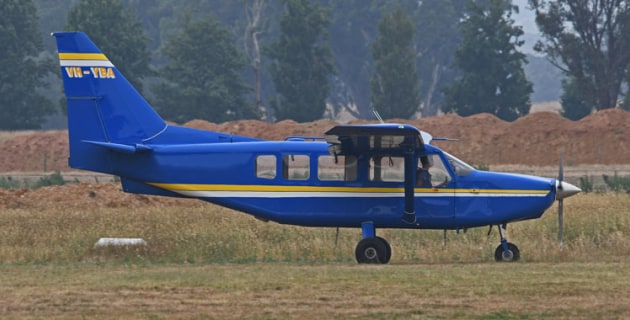
By the time the team could refocus on the Airvan 10, Mahindra's team of new engineers had made fundamental changes that started the aircraft on a trajectory that GippsAero couldn't arrest. The original engineers found themselves sidelined as the corporate machine went to work on the product.


Intended to be an aircraft that was a simple step-up for pilots already flying Airvan 8s, the design concept was drifting away from its raison d'etre. Mahindra's team didn't seem to understand what the aeroplane was all about.


"Mahindra was very hard-nosed," another former GippsAero engineer, Gary* laments. "The influx of engineers were from larger projects. GippsAero's engineers had a lot of knowledge, but they were pushed aside.

 
  • Like
Reactions: ShiroBarks
This article is about GA8 Airvan, the user you replied was talking about C-NM5 prototype. Two different aircraft.

it also spoke about CNM5

“GippsAero is proud to have produced the prototype of the C-NM5 in partnership with our parent company Mahindra Aerospace,” CEO Terry Miles said at the time. “The construction of a working prototype in 10 months is an outstanding achievement for our team, and a testament to the manufacturing skills that we have nurtured within our organisation here in regional Victoria.”

The C-NM5 was then parked in the development hangar (dubbed "Dreamland" by some inside the company), where it has become the ultimate hangar queen and an obstacle for people to walk around. No further work was ever done.

By the time the team could refocus on the Airvan 10, Mahindra's team of new engineers had made fundamental changes that started the aircraft on a trajectory that GippsAero couldn't arrest. The original engineers found themselves sidelined as the corporate machine went to work on the product.