
Yes. Though for land targets Nirbhay might be preferable.Does.this.also mean that we can soon have
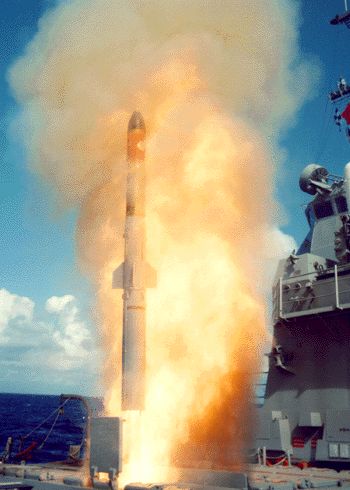
A Long Range Cruise Missile , 600 km range
For Land Targets
Yes. Though for land targets Nirbhay might be preferable.Does.this.also mean that we can soon have
A Long Range Cruise Missile , 600 km range
For Land Targets

Randomradio is good at writing plus he has an active imagination. Eshwin won't even be able to sell Marxism in Kerala. You need somebody more dynamic who promises you the future is great.Like Modi does. Like randomradio still does.When he writes we will suddenly move in to the fast lane with big ticket purchases from 2022 onwards. And most newbies seem thrilled & convinced.Yes , both at the same time.its possible , okay.My heart still skips a few heartbeats as I type this remembering the magic number.yes , you've got it right.2022.you can be in charge of the watermark biz.Looks like somebody picked up on our conversation : SMART Torpedo: India’s Next Big thing after BrahMos AshM in Naval Warfare – Indian Defence Research Wing
@Ashwin OSINT is such a flourishing business in India right now. We should start our own section for rumour mil. Who knows it might be very profitable.
@_Anonymous_ @randomradio can be our star writers. I'll let you watermark the photos. What say ?
I'm confident that 650km is a mistake. But let's see. There should be some kind of betting mechanism for these.In df.i drdo thread i posted info navy SRSAM = VLSAM astra plus repeat of 50-650 km range of smart in latest MoD release. Can't be a mistake now


Astra MK2 range ~ 120 - 150 km
Where is Nirbhay right now... ? And how is Manik engine doing... no news ..Yes. Though for land targets Nirbhay might be preferable.

I am wondering the same. Its been a while since the last test.Where is Nirbhay right now... ? And how is Manik engine doing... no news ..
Looks like somebody picked up on our conversation : SMART Torpedo: India’s Next Big thing after BrahMos AshM in Naval Warfare – Indian Defence Research Wing
@Ashwin OSINT is such a flourishing business in India right now. We should start our own section for rumour mil. Who knows it might be very profitable.
@_Anonymous_ @randomradio can be our star writers. I'll let you watermark the photos. What say ?


I'm confident that 650km is a mistake. But let's see. There should be some kind of betting mechanism for these.


I don't get tag alerts for some reason.I posted something long time back here / d.fi drdo thread , if you can find it you will possibly have an idea on how the range is being augmented.
@Gautam
You even reposted that pic from one of your usual sources
Can you guess which one ?
Damn it , i should have watermarked it
Heading back to d.fi to post the idea
I don't get tag alerts for some reason.
Are you talking about that glider thing IIT-K was working on ? What was it called again ?

It will only work if the wings are foldable and very light. Luckily for us, we have some experience with that.Glider assisted torpedo
View attachment 12483
This one is for MPAs etc
But no reason why can't be implemented in a missile with modifications.
My reasons are valid IMO . It's a long shot though.
A torpedo standalone cannot be released safely when it's carrier is moving in supersonic Speed.
Either the missile will need to reduce Speed via retro thrusters
Or
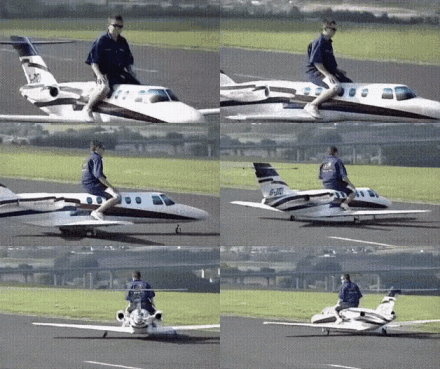
Employ a release mechanism like a glider which gets ejected with its torpedo at supersonic speeds while keeping it safe and then maneuvers down loosing speed all the while , making it safe enough to let the torpedo splash into the sea via chutes , additional benifit , updated target coordinates can be sent and the glider can move there to drop it's payloads safely.

It will only work if the wings are foldable and very light. Luckily for us, we have some experience with that.
Foldable carbon-fibre wings of the SAAW :
View attachment 12484
The tail fins on the glider already looks foldable.
Maybe the reason for the outrageous range of the SMART is due to the limited number of ASW ships we have, they can't be everywhere. The P-8Is, C-295s, or the Do-228s will operate from a distance, locate a sub and the ships will engage from a distance. The terminal guidance to be driven by the MPAs themselves.
Also if the rocket gets the torpedo to 600 km, shouldn't the glider bring some additional range. Once deployed the torpedo will have a range of ~20 Km. So the maybe the rocket will be smaller that the LRCM(assuming STAR is the LRCM).
It should be able to loiter for a short while too.Depending on the altitude at which the glider is released and the velocity at which it was released , both will determine the range to which it can glide to a new area or conversely remain in flight for a given duration over the same area depending on the updated targeting coordinates it receives.
Are they working on increasing speed ? The current 33-35 knots of the TAL won't cut it. We need the torpedo to travel at 40+ knots.Range of TAL is being increased , for both modes , work is going on.
The torpedo is 324 mm in dia. So the rocket has to be fatter than that. They should be able to adopt it for Brahmos UVLS quite easily. Even the Barak 8 is 540 mm in dia.Rocket will be big that's sure , payload is big.
It should be able to loiter for a short while too.
Are they working on increasing speed ? The current 33-35 knots of the TAL won't cut it. We need the torpedo to travel at 40+ knots.
The torpedo is 324 mm in dia. So the rocket has to be fatter than that. They should be able to adopt it for Brahmos UVLS quite easily. Even the Barak 8 is 540 mm in dia.
If it is as we imagine it, it will be a relatively complex missile system. A 3 stage weapon no less.
what will be the weight and length of torpedo? how are they going to fit all in a cruise missile which should be atleast capable of carrying 800kg warhead.It should be able to loiter for a short while too.
Are they working on increasing speed ? The current 33-35 knots of the TAL won't cut it. We need the torpedo to travel at 40+ knots.
The torpedo is 324 mm in dia. So the rocket has to be fatter than that. They should be able to adopt it for Brahmos UVLS quite easily. Even the Barak 8 is 540 mm in dia.
If it is as we imagine it, it will be a relatively complex missile system. A 3 stage weapon no less.
For the torpedo alone :what will be the weight and length of torpedo?
Varunastra developed by us is around 1500 kg with 250 kg warhead.For the torpedo alone :
Weight ~220-230 kg
Length ~ 2.75 m
Add the glide/ejection mechanisms weight will go up to say 300-320 kg(being very conservative here). That's not as massive a payload as it sounds. The US Tomahawk carries a 450 kg warhead for example. Nirbhay will carry a 200-300 kg warhead. I am not sure where you got that 800 kg from.
All kinds of boosted torpedo launch systems, be that rocket propelled or gliders or both, will use the Shyena light weight torpedo not the Varunastra heavy weight torpedo.Varunastra developed by us is around 1500 kg with 250 kg warhead.
It should be able to loiter for a short while too.
Are they working on increasing speed ? The current 33-35 knots of the TAL won't cut it. We need the torpedo to travel at 40+ knots.
The torpedo is 324 mm in dia. So the rocket has to be fatter than that. They should be able to adopt it for Brahmos UVLS quite easily. Even the Barak 8 is 540 mm in dia.
If it is as we imagine it, it will be a relatively complex missile system. A 3 stage weapon no less.
" Conversely remain in flight for a given duration over the same area " already mentioned it.
Loiter
Persistence coverage
Etc
About Speed i dont have info , i doubt if actual speeds are ever published .
About UVLMS can't comment , too much headache to figure it out
Possible , it could be 3 stage as you said.
It's not about technology but doctrine and accurate targeting.Glider assisted torpedo
View attachment 12483
This one is for MPAs etc
But no reason why can't be implemented in a missile with modifications.
My reasons are valid IMO . It's a long shot though.
A torpedo standalone cannot be released safely when it's carrier is moving in supersonic Speed.
Either the missile will need to reduce Speed via retro thrusters
Or
Employ a release mechanism like a glider which gets ejected with its torpedo at supersonic speeds while keeping it safe and then maneuvers down loosing speed all the while , making it safe enough to let the torpedo splash into the sea via chutes , additional benifit , updated target coordinates can be sent and the glider can move there to drop it's payloads safely.
Exactly.You guys are discussing the most unimportant aspects of a 600+ Km anti-sub missile.
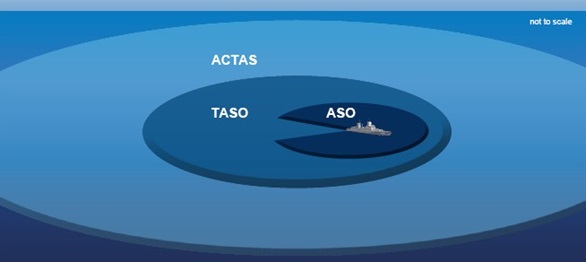
The reason why ASuMs have low range is because more range is simply unnecessary, that's the range subs normally get detected from. But if our ASuM has more range, it means we are planning on making the missile highly networked, aka, CEC. This will entirely change the way ASW is conducted. All we have to do is park a few frigates/destroyers in some strategic locations and offboard sensors can cue torpedoes to any part of the Arabian Sea or Bay of Bengal in a matter of few tens of minutes.
This requires some really serious networking capabilities though, something that doesn't exist today in any country. For example, a destroyer 300Km away from an ASW helicopter 100m over surface will not be able to see each other. This will require MALE/HALE UAVs, MPA, satellites etc to transfer data between the helicopter and destroyer, so one can imagine the amount of background work that's happening when multiple nodes are involved and the target is constantly on the move and requires periodic real time updates.
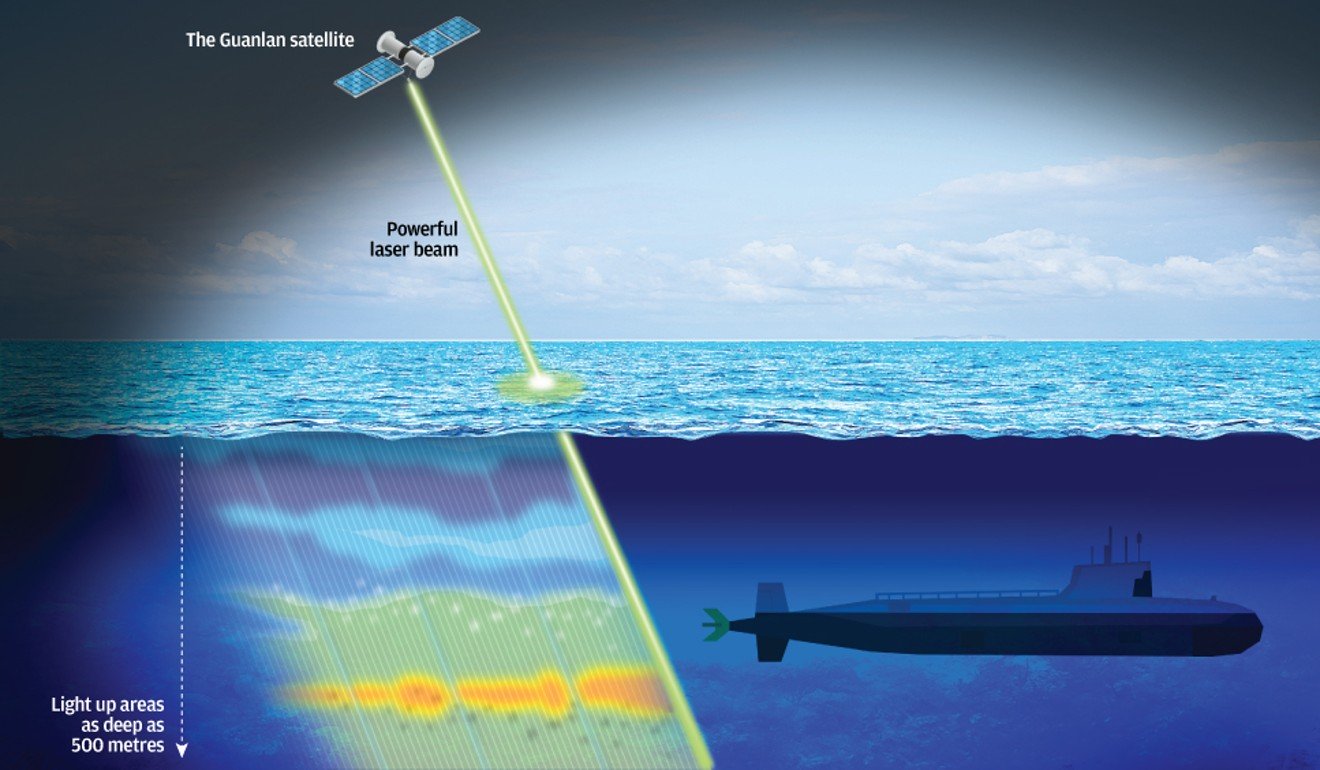
There's another more kickass method. Laser satellites. Laser satellites actually carry a lidar, which is capable of penetrating water up to a certain depth, enough for ASW.
But this tech is quite sometime away.