Indian Missiles and Munitions Discussion

Defending India: Astra missile to provide aerial defence to Navy warships

At the same time, the Indian Navy has been working on providing air defence systems for its warships and has been getting the long-range surface-to-air missile systems from Israel while it has also been projecting a requirement for short-range weapon systems.

New Delhi: In a major success for the indigenous weapons programme, the Ministry of Defence has decided to develop the homegrown Astra air-to-air, beyond visual range missile into an air defence missile system for the Navy which needs such short-range systems to defend its warships from incoming enemy weapons.

The Astra missile has been developed by the DRDO for front-line combat aircraft such as the Sukhoi-30 and the LCA Tejas meant for shooting down enemy planes at a distance of 70-80 km and was being developed as an air-to-air missile system.

"As part of a proposal cleared by the Defence Acquisition Council led by Defence Minister Nirmala Sitharaman, the Navy will be provided with 14 vertically-launched short range surface to air missile systems for protecting its warships. Of these, four systems will be procured through a global tender while the remaining would be developed indigenously by the DRDO," sources told MyNation.

"The Navy is looking for 10 homegrown SR-SAMs and the DRDO will be developing the Astra missile as the solution for these requirements. The Navy is looking at a missile system which can intercept enemy missiles or aircraft at ranges up to 15 kilometres and the Astra would be able to fulfill this role," the sources said.

The Navy has been working on providing air defence systems to its warships and has been getting the long-range surface-to-air missile systems (LR-SAMs) from Israel while it has been projecting a requirement for short-range weapon systems also.

As per an older plan, the requirement was to be fulfilled through a joint venture programme with France, but after the Army and the Air Force withdrew from it, the cost of the project escalated too much for the maritime force.

The Astra missile programme has been quite successful in meeting the requirements of the Air Force, which has been evaluating it. The Air Force wants its range to be enhanced at different stages to end the reliance on foreign players for these needs.

@Ashwin
 
India all set to test mobile theater ballistic missile ” Pralay “
Published September 8, 2018 |

SOURCE: Express News Service

A7jq428.jpg

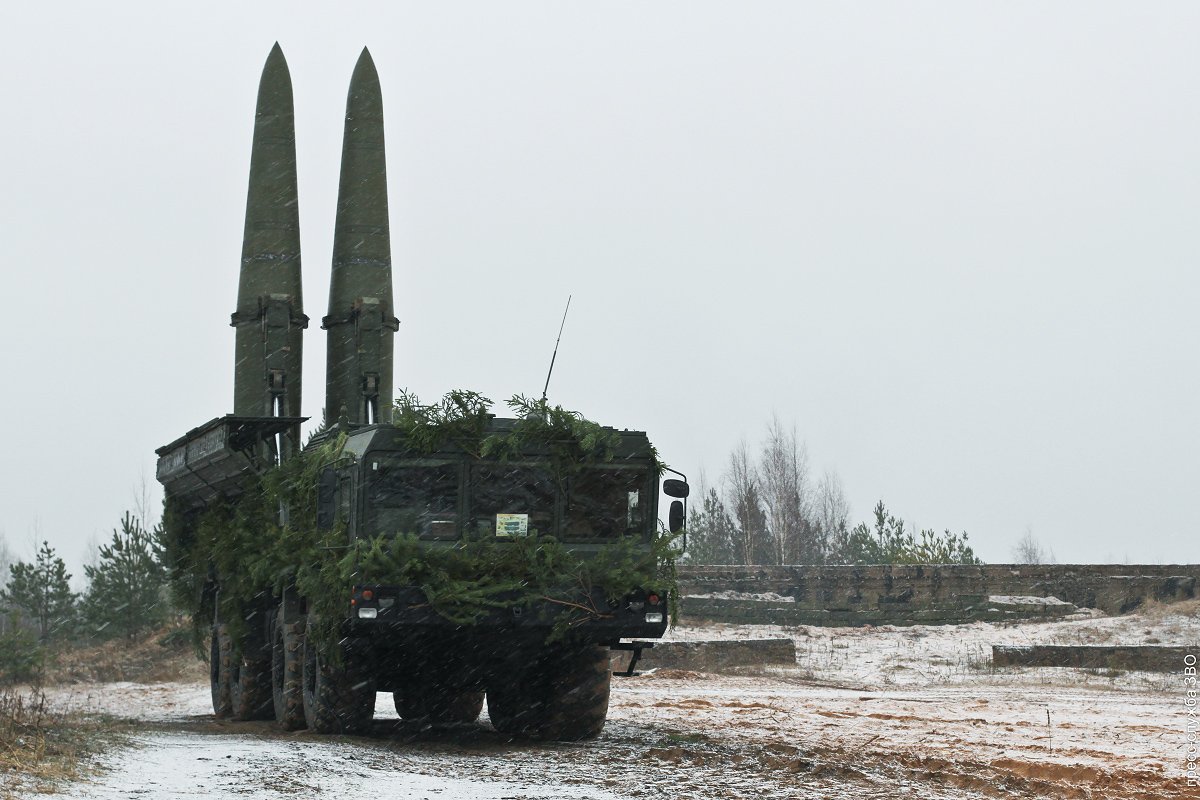
Russian 9K720 Iskander in Picture

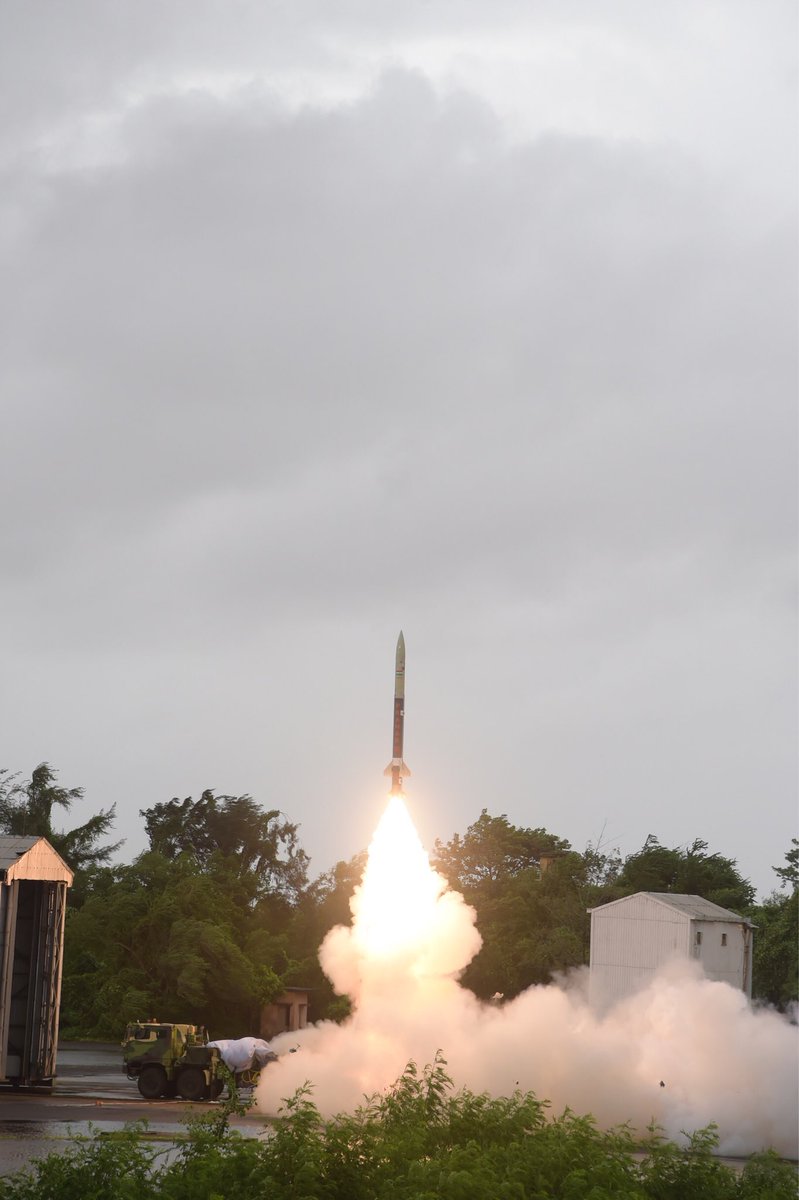
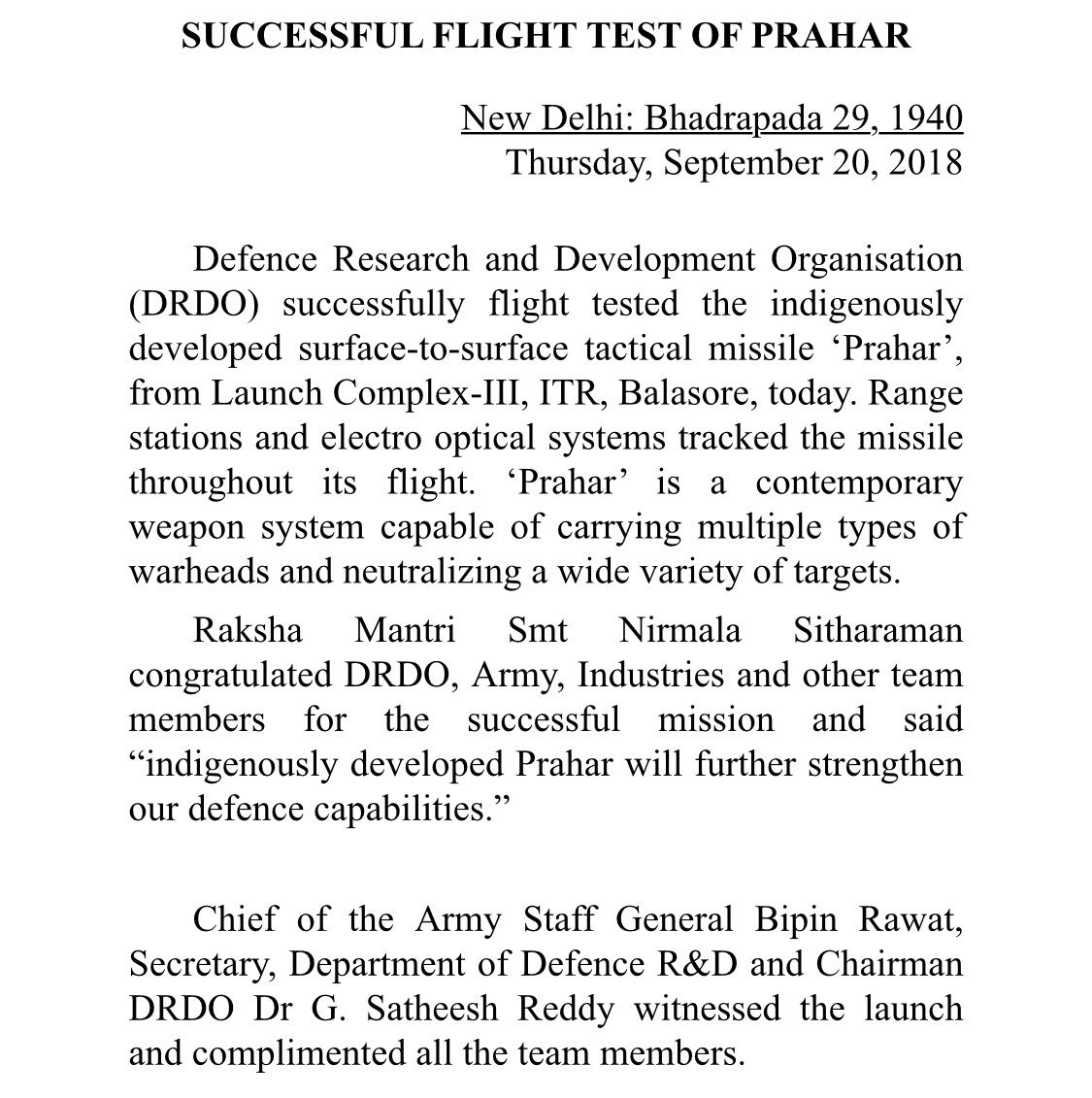
India is all set to conduct the maiden test of its brand new surface-to-surface tactical Short Range Ballistic Missile (SRBM) developed under a classified project, code-named Pralay.Elaborate preparation is underway as the missile will be flight tested from a canister mobile launcher any time between September 20 and 22 from a defence test facility off Odisha coast.

As the missile has to follow a manoeuverable trajectory, the Ministry of Defence (MoD) has planned to evacuate people residing in three km area of the launching complex. This is for the first time that people are being evacuated from a large area.

A defence official on Friday told ‘The Express’ that the home-grown missile Pralay can be comparable with China’s Dongfeng 12 and Russia’s 9K720 Iskander, both short-range tactical ballistic missiles.
“The experimental trial is aimed at validating the technologies incorporated in the system for the first time and gauging the fire power. If weather permits, the missile will be test fired as scheduled,” he told this paper over phone from New Delhi.

Indigenously designed and developed by DRDO, the missile is a derivative of Prithvi Defence Vehicle (PDV) exo-atmospheric interceptor missile, capable of destroying enemy weapons at high altitudes.
Pralay, which is much faster and accurate, has a strike range of 350 km to 500 km and weighs around five tonne. With a payload of 1000 kg, it can travel a distance of 350 km. If the payload is halved, the missile will be able to hit a target as far as 500 km.

Fuelled by composite propellant and developed by Pune-based High Energy Materials Research Laboratory (HEMRL), it uses inertial navigation system for mid-course guidance.Since India’s most of the SRBMs are for strategic strike purposes, development of tactical Pralay was necessitated after the army sought for a 500-km range SRBM that can carry a sizable payload.

Meanwhile, the MoD has asked Balasore district administration to be ready for evacuation of people within a radius of three km from the Integrated Test Range.“Earlier people were being evacuated within a radius of two km for test of certain missiles. But this time, the evacuation area has been extended to a radius of three km,” said a district official.

Nearly three years after the project was sanctioned in March, 2015 at a cost of nearly `333 crore, the DRDO had unveiled some information on the missile at the Defence Expo 2018 held at Chennai in April this year.
 
DRDO-VEM AsiBal MPATGM
Development of Laser Seekers and IIR Seekers has been completed and the field trails are due in 2018-19. Development of indigenous ATGM, AsiBal is also fast coming up and is scheduled for validation & field trails during the financial year.

View attachment 2479
View attachment 2478

India successfully test fires made-in-India MP-ATGM anti-tank missile

The DRDO today successfully carried out the first test of Portable- Anti-tank Guided Missile (MP-ATGM), supposed to be the anti-tank missile of the Army for future. The government had withdrawn an earlier tender for buying around 5,000 Spike missiles.

New Delhi: In a major boost to Prime Minister Narendra Modi's 'Make in India' initiative in defence, the DRDO today successfully carried out the first test of the indigenously designed and developed Man Portable-Anti-Tank Guided Missile (MP-ATGM), which would help the Army destroy enemy tanks during a war.

The first test of the missile was successfully completed in the Ahmednagar district of Maharashtra. A few more tests of the indigenous weapon system need to be carried out before it is offered to the Army for user trials, government sources told MyNation.

The MP-ATGM is supposed to be the anti-tank missile of the Army for future as the force needs close to 75,000 such missiles for future battles. The homegrown missile would help in this direction in a big way, the sources said.

For meeting the emergency requirements of the Army, the government is looking to buy around a couple of thousand Spike anti-tank guided missiles from Israel while the majority of the requirements would be fulfilled by indigenous missiles.

The requirements of the Army are so huge that they will be met with the missile systems supplied by the Israelis along with the ones to be produced by DRDO in future as it is also developing the man-portable ATGMs, sources said.

The Army needs third-generation ATGMs, with a strike range of over 2.5 km and fire-and-forget capabilities, to equip all its 382 infantry battalions and 44 mechanised infantry units.

Sources said this combination of buying arms and equipment from abroad and allowing indigenous makes at the same time will balance the need for taking care of national security requirements along with the need to promote the indigenous industry.

The Ministry of Defence has been in talks with Israel and the US for a long time to get the third generation anti-tank missiles. The ministry had ultimately zeroed in on the Spike missiles under an old deal, which is likely to cost around Rs 3,000 crore.

The government had also withdrawn an earlier tender for buying around 5,000 Spike missiles after finding the price of the deal too high.

An American missile system on offer was rejected too — after the terms and conditions of procuring it were not found to be compliant to the Indian defence procurement procedure guidelines.
 
With Final Tests, India’s Crucial ASTRA Air-To-Air Missile Nears Finish Line

DoBcNk3V4AAL2kL.jpg


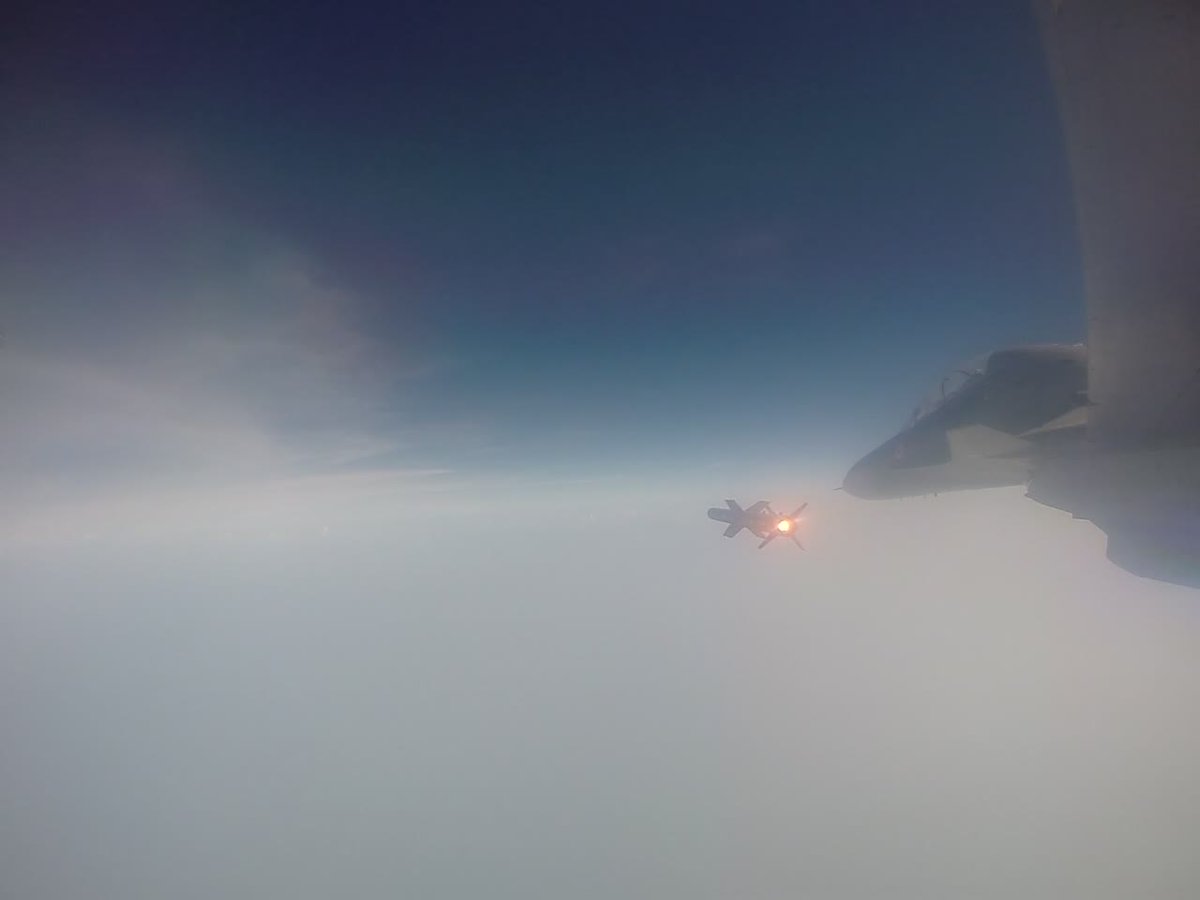
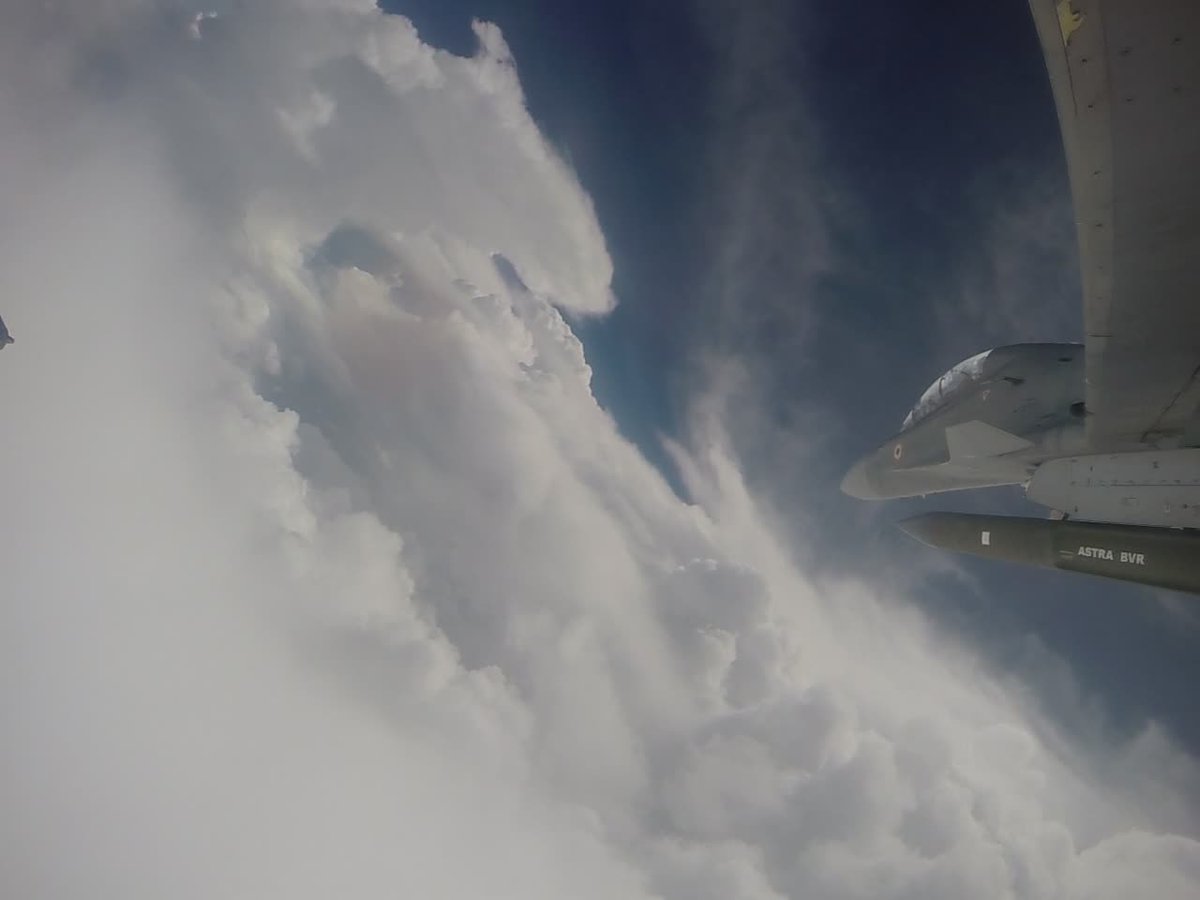
One of India’s most ambitious and challenging missile projects, the ASTRA (Sanskrit for ‘weapon’) beyond visual range air-to-air missile has entered a final round of trial launches ahead of service with the Indian Air Force. With over 20 The missile was fired today in a fully guided mode at a maneouvering aerial target drone. With over 20 aerial tests since it was first fired from an IAF Su-30 MKI in May 2014, the weapon is to be tested a handful more times before being handed over to the Indian Air Force for a cycle of user trials before induction into service.

As Livefist reported earlier this year, the Astra has been tested since September last with an Indian Ku-band seeker developed by the DRDO’s Research Center Imarat (RCI) in Hyderabad. Seekers are sensory electronics that guide missiles to their targets and are core to how accurate a missile can be in operations. The Russian Agat 9B1103M active radar used earlier on the Astra has effectively been replaced with a better performance Indian-made alternative.

With an operational range understood to be in the area of 110 km in some firing configurations, the Astra qualifies as a beyond visual range weapon. Comparable air-to-air missiles currently in IAF inventory include the MBDA MICA, Rafael Derby and Vympel R-77. The Indian Air Force’s new Rafale jets that begin arriving in September next year will come armed with the longest range weapon of its kind, the MBDA Meteor, which sports a range in excess of 300 km in some firing configurations.

‘India has attained a high level of capability in the indigenous design and development of advanced weapon systems,’ Indian defence minister Nirmala Sitharaman said today shortly after the successful Astra missile test. The Su-30 MKI fired the Astra over open ocean after taking off from the Kalaikunda air base in country’s east.

In a statement, the MoD said, ‘The missile successfully engaged a manoeuvring target with high precision meeting the mission objectives. In the series of trials held to date, Astra has been launched in the complete Su-30 flight envelope. The flight test assumes significance as it was part of the series of final pre-induction trials.’

DoBcNk4U0AAIl7e.jpg
 
Last edited:
Astra in sanskrit means a weapon which is thrown. Sastra means a weapon which is carried personally while fighting. Javelin is an Astra, Sword is a sastra.
 
Amogha-III is upgraded Milan-2T i guess.

DnhFVhcVsAApoaz.jpg:large


Poster.jpg

RudraM IIA? I thought RudraM is an ASM so what does A symbolizes here? Also why need Dhruvastra when we already have HeliNa?

screenshot-www.drdo.gov.in-2018.09.28-23-49-33.png

screenshot-www.drdo.gov.in-2018.09.28-23-51-13.png

SAAW
screenshot-www.drdo.gov.in-2018.09.28-23-50-48.png

screenshot-www.drdo.gov.in-2018.09.29-00-43-38.png
 

Attachments

  • screenshot-www.drdo.gov.in-2018.09.28-23-51-13.png
    screenshot-www.drdo.gov.in-2018.09.28-23-51-13.png
    185.7 KB · Views: 352
Last edited:
Development Trials of Astra BVR-AAM Completed Successfully

A series of flight trials of Astra Beyond Visual Range Air-to-Air Missile (BVR-AAM) was conducted by Indian Air Force during September 26 to October 03, 2018 at Integrated Test Range (ITR), Balasore as part of final development trials of the missile.

The trials were a combination of complex tests for engagement of pilotless target in different modes of manoeuvring, off-boresight, medium and long ranges. The missiles were telemetered for evaluation of online performance of all sub-systems especially the datalink, RF seeker and proximity fuse for end-game performance. Astra has been tested six times under different launch conditions and ranges as part of the final development trial. The missile has engaged targets and all the mission objectives have been met.

With IAF's active participation, DRDO has developed the missile and integrated the weapon on Su-30 and other air platforms. Hindustan Aeronautics Limited (HAL), Nasik has been instrumental in the modification of a number of Su-30 aircrafts for Astra weapon integration and support during trials. More than 50 private and public sector industries are involved in the development and production of different sub-systems of the missile. The missile is expected to be inducted into IAF in 2019.

Raksha Mantri Smt Nirmala Sitharaman congratulated DRDO, IAF, HAL and associated industries for successful trials.
 
Upgraded SANT missile successfully flight tested

Jaisalmer: The upgraded version of the third generation anti-tank Helina missile — SANT missile (Spike anti-tank guided missile), the air to ground version, has been successfully tested, at the Pokhran field firing range in Jaisalmer district. The flight test of the missile was successfully conducted by DRDO and other officers of Indian Air force.

The SANT missile has been developed by DRDO’s research centre Imarat, in association with Indian Air force, and is an upgrade of Helina’s missile, which had a range of 7-8 km. The new missile has a range of 15-20 km and is equipped with a new nose-mounted active radar seeker, to help keep the launch platform at a safe distance, to evade defensive fire from the target area.


Sources said all the mission objectives were met during trials of the SANT missile, in which a dummy target of a tank was destroyed and the missile has been successfully flight tested for different ranges including the maximum range capability in Pokhran field firing range.


The missile is guided by an Infra-red Imaging Seeker (IIR) operating in the Lock on Before Launch mode. It is one of the most advanced anti-tank weapons in the world.


Sources said the missile was tested for its Infra-red Imaging Seeker with a far greater resolution than what has been tested earlier, as per the demand of the users. A higher version seeker, with a much higher focal plane array as compared to the original plan, has been tested.
 
  • Like
Reactions: Parthu
Upgraded SANT missile successfully flight tested

Jaisalmer: The upgraded version of the third generation anti-tank Helina missile — SANT missile (Spike anti-tank guided missile), the air to ground version, has been successfully tested, at the Pokhran field firing range in Jaisalmer district. The flight test of the missile was successfully conducted by DRDO and other officers of Indian Air force.

The SANT missile has been developed by DRDO’s research centre Imarat, in association with Indian Air force, and is an upgrade of Helina’s missile, which had a range of 7-8 km. The new missile has a range of 15-20 km and is equipped with a new nose-mounted active radar seeker, to help keep the launch platform at a safe distance, to evade defensive fire from the target area.


Sources said all the mission objectives were met during trials of the SANT missile, in which a dummy target of a tank was destroyed and the missile has been successfully flight tested for different ranges including the maximum range capability in Pokhran field firing range.


The missile is guided by an Infra-red Imaging Seeker (IIR) operating in the Lock on Before Launch mode. It is one of the most advanced anti-tank weapons in the world.


Sources said the missile was tested for its Infra-red Imaging Seeker with a far greater resolution than what has been tested earlier, as per the demand of the users. A higher version seeker, with a much higher focal plane array as compared to the original plan, has been tested.

We must test it on the LOC

Knock out a Pak Army Corps Commander
Or Gen Bajwa himself :p
 
India all set to test long range Pralay, K5 to stalemate China soon
Saturday, December 15, 2018
By: New Indian Express

Source Link: CLICK HERE

Defence Research and Development Organisation (DRDO) is set to throw up some pleasant surprises early next year. Along with the induction of 5,000-km range surface-to-surface ballistic missile Agni-V, the premier defence research agency is readying for the maiden test of its long range Submarine Launched Ballistic Missile (SLBM) K-5.

K-5 missile developed under the secret ‘K Series’ project is the fastest missile in its class and can deliver nuclear warhead of more than one tonne 5,000 km away. The three-stage missile propelled by solid propellants can deceive enemy radar making it more lethal. While 750-km range K-15 (B-05) and 3,500 km range K-4 of the K-family have already been test fired successfully several times and are in the process of induction, the newly developed K-5 will add more teeth to the arsenal.

Defence sources said the missile will be flight tested from a submersible pontoon launcher in Bay of Bengal off Visakhapatnam coast for a suppressed range to validate some new technology incorporated in the system before it is put under tests for full range in operational configuration.“The K-5 missile was sanctioned in 2015. The weapon system is now being readied for initial phase trials. Though the test window has not been finalised, it is expected to fly in the sky soon.

A successful trial would pave the way for the development of its longer range cousin K-6,” said a senior defence official.With India perceiving China as a potential threat, the focus now seems to have been laid on development and deployment of long range missiles having underwater launch capabilities.

The K-5 missile will undergo a series of developmental trials before its induction in armed forces. It will equip S4 nuclear powered submarine, currently under development. Indigenously developed INS Arihant submarine, which completed sea patrol recently, will be equipped with K-15 and K-4 missiles.

Before the K-5 trial, the DRDO is also planning for first test of surface-to-surface tactical Short Range Ballistic Missile (SRBM) Pralay from a defence base off Odisha coast on December 18.


Earlier planned in September, the test was reportedly deferred for administrative reasons.

The much faster and accurate Pralay has a strike range upto 500 km and weighs around five tonne. It can be compared with China’s Dongfeng 12 and Russia’s 9K720 Iskander, both short-range tactical ballistic missiles.“Preparation is also on for a user trial of 4,000 km range Agni-IV missile by the Strategic Forces Command. The missile will be fired in a lofted trajectory like the recent test of Agni-V. The trial is likely to be conducted on December 26,” the official added.

Sky shield
- SLBM K-5 is the fastest missile in its class
- Can deliver nuclear warhead of more than one tonne 5,000 km away
- To be flight tested from a submersible pontoon launcher off Visakhapatnam coast
- SRBM Pralay to be test-fired from a defence base off Odisha coast
- Has a strike range upto 500 km
- Weighs around five tonne
India all set to test long range Pralay, K5 to stalemate China soon
 
  • Like
Reactions: Sumanta
So pralay has made to fly longer and carry more load..

Going to be Prithvi replacement ?
Not sure how much it can carry, but currently only two warheads, prefrag and Penetration / blast warheads of 350 and 700 kg. while prithvi has 4 types warheads , Pre-fragmented, Runway denial penetration submunition, DPICM bomblet and Incendiary submunition type in 500kg and 1000kg flavors.
 
  • Like
Reactions: Sathya
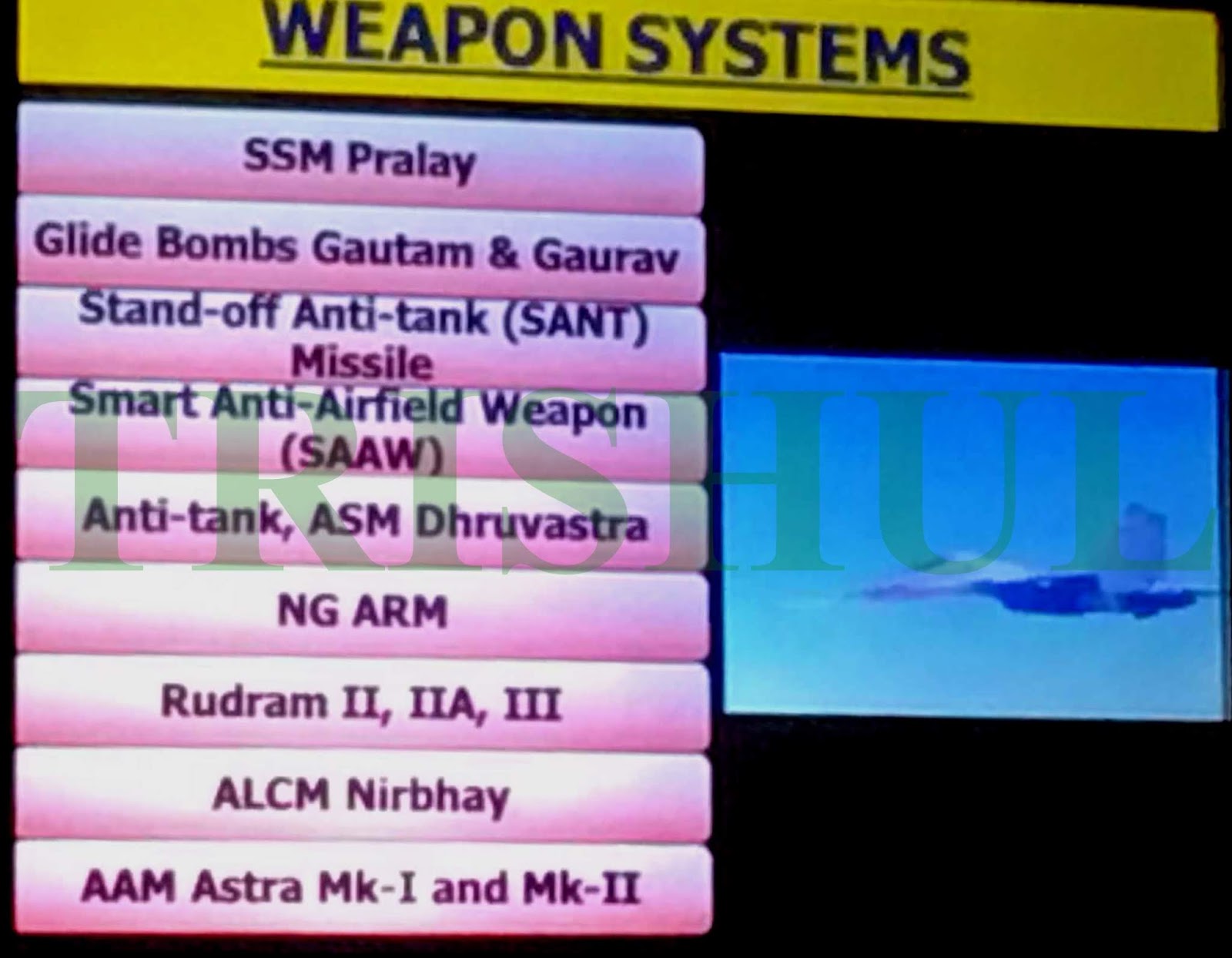
We are in the development stage of the Pralay—a guided short-range (400 km) tactical ballistic missile for battlefield use developed by DRDO. Also developed for the IAF are the precision guided munitions (PGMs) Garuthmaa and Garudaa. An air launched anti tank missile has been developed called SANT (Stand off Anti Tank) which will have multi-platform launch capability and can be launched from attack helicopters. Other weapons developed are the SAAW (Smart Anti Airfield Weapon), Dhruv Astra an anti surface missile and a new generation anti radiation missile—the Rudram-1. We also have the Rudram-2 and Rudram-3 missiles which are variants of the Rudram-1 with different functions for ground attack.
MILITARY MODERNISATION: INDIAN AIR FORCE